Combating Hunger in New York City: A Year-Round Commitment Beyond the Holidays
Understanding Food Insecurity in NYC During the Festive Season
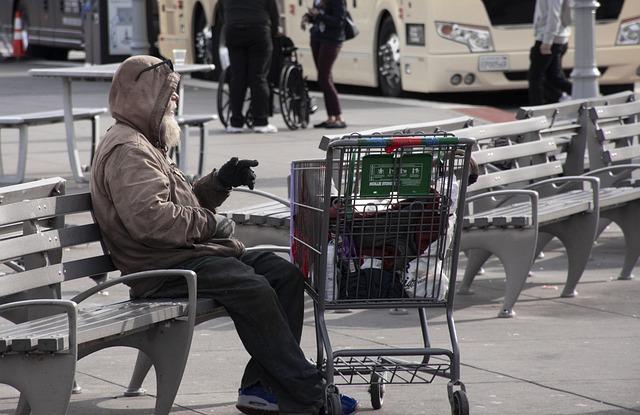
As the holiday period approaches, New York City once again confronts the pressing issue of food insecurity affecting thousands of households across its boroughs. Despite the seasonal surge in charitable giving, many families continue to struggle with limited access to nutritious food, overshadowing the festive spirit. While food pantries and charitable groups intensify their outreach, obstacles such as transportation challenges, lack of awareness about available aid, and language barriers still prevent many from receiving adequate support.
To create lasting change, city officials and nonprofit organizations are focusing on sustainable interventions that extend well beyond the holiday season. These efforts aim to broaden food distribution channels, enhance affordability and availability of wholesome groceries, and tackle the systemic causes of poverty. Notable strategies include:
- Deploying mobile food pantries to serve neighborhoods with limited access
- Collaborating with local farmers markets to provide subsidized fresh fruits and vegetables
- Offering culturally sensitive nutrition education tailored to diverse populations
| Program | Focus Area | 2023 Beneficiaries |
|---|---|---|
| Mobile Food Pantries | Overcoming Transportation Issues | 15,000 households |
| Farmers Market Subsidies | Access to Fresh Produce | 8,500 families |
| Nutrition Education Workshops | Health and Wellness | 4,200 participants |
Innovative Community Efforts Nourishing NYC Residents Year-Round
Beyond the holiday rush, grassroots groups across New York City are pioneering creative approaches to alleviate hunger and promote food justice. Initiatives such as urban community gardens transform neglected spaces into vibrant sources of fresh produce, while pop-up kitchens provide hot meals in neighborhoods often overlooked by traditional aid programs. These projects not only address immediate nutritional needs but also cultivate community pride and empowerment. The surge in volunteer engagement highlights the power of collective action in tackling food insecurity compassionately and effectively.
Highlighted programs making a difference include:
- Food Rescue Networks: Collecting surplus food from eateries and supermarkets to redistribute to those facing hunger.
- Mobile Grocery Vans: Delivering fresh food directly to residents in transit-poor areas.
- Youth Agricultural Projects: Engaging young people in cultivating and distributing fresh produce.
| Program | Areas Served | Monthly Meals Distributed |
|---|---|---|
| Urban Harvest Gardens | East Harlem, Bronx | 4,500 |
| Fresh Wheels Initiative | Brownsville, Queensbridge | 6,200 |
| Seedling Youth Farm | Bedford-Stuyvesant, Crown Heights | 3,800 |
Essential Policy Reforms to Ensure Continuous Hunger Relief
Establishing a robust and enduring hunger relief system requires policymakers to commit to consistent funding that transcends seasonal campaigns. Enhancing the Supplemental Nutrition Assistance Program (SNAP) benefits throughout the year and increasing support for local food banks are critical measures to combat ongoing food insecurity. Furthermore, fostering collaborations among government bodies, nonprofits, and private enterprises can lead to innovative outreach tailored to marginalized communities. These initiatives demand not only financial investment but also regulatory reforms that facilitate efficient and safe food distribution year-round.
Addressing the underlying factors contributing to hunger-such as unstable housing and unemployment-is equally vital. Comprehensive programs that integrate food assistance with job training and affordable housing solutions can strengthen the social safety net for at-risk populations. The following table outlines key policy areas ripe for reform and their anticipated benefits:
| Policy Domain | Recommended Reform | Projected Outcome |
|---|---|---|
| Nutrition Assistance | Boost benefit amounts and streamline application procedures | Reduces access barriers and offsets rising food prices |
| Food Distribution | Expand mobile pantry programs and community fridge initiatives | Enhances food availability in underserved areas |
| Employment Support | Combine job training with food aid services | Promotes economic independence |
| Affordable Housing | Increase subsidies and preservation efforts | Stabilizes living conditions, reducing hunger risk |
Expanding Nutritious Meal Access Beyond Seasonal Efforts
The challenge of guaranteeing steady access to healthy meals in New York City extends far beyond the holiday season. To maintain and build upon the progress made during festive months, a comprehensive strategy is necessary:
- Strengthening Community Alliances: Forming partnerships among nonprofits, food distributors, and municipal agencies to establish permanent food delivery systems in vulnerable neighborhoods.
- Enhancing Mobile Food Services: Utilizing refrigerated vehicles to bring fresh produce and nutritious meals directly into food deserts, reducing travel burdens for residents.
- Fostering Public-Private Collaborations: Encouraging local businesses to contribute surplus food or sponsor meal programs, promoting shared responsibility within the city’s food ecosystem.
Leveraging data analytics to monitor demographic and economic trends can optimize resource distribution, ensuring aid reaches those most in need as hunger patterns evolve across the city.
| Approach | Main Advantage | Estimated Impact |
|---|---|---|
| Community Alliances | Broader outreach | 35% increase in meal distribution |
| Mobile Food Services | Improved access in food deserts | Reduced travel obstacles for 20,000 residents |
| Public-Private Partnerships | Enhanced resource mobilization | 40% growth in food donations |
Looking Ahead: Sustaining the Fight Against Hunger in NYC
As the holiday celebrations conclude, the imperative to address hunger in New York City remains as critical as ever. While seasonal generosity provides vital relief, enduring solutions demand ongoing dedication from government entities, community groups, and citizens. Prioritizing the elimination of food insecurity’s root causes and guaranteeing equitable access to nutritious meals throughout the year is essential. Through unified and persistent efforts, New York can aspire to become a city where no resident faces the hardship of an empty plate-during the holidays and beyond.