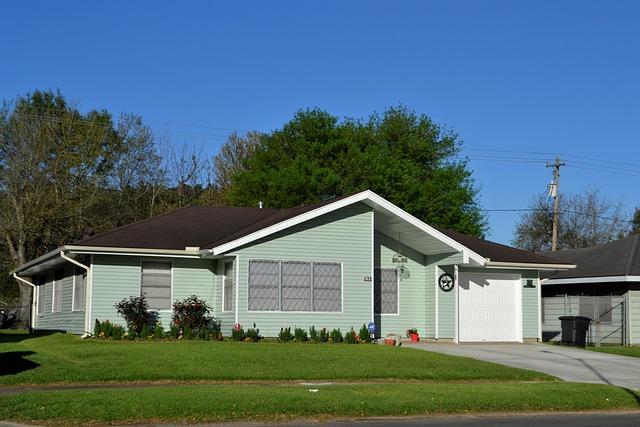
Multigenerational Affordable Housing: A Sustainable Solution for Modern Urban Living
Rising Urban Housing Costs and the Shift Toward Multigenerational Living
As urban housing prices continue to escalate globally, traditional family living arrangements are evolving to meet new economic and social realities. Multigenerational living-where grandparents, parents, and children coexist either under one roof or within a close-knit community-is increasingly becoming a practical and preferred lifestyle choice. This model addresses the dual challenges of affordability and caregiving by consolidating resources and fostering mutual support among family members.
Recent studies indicate that nearly 20% of U.S. households now include multiple generations, a figure that has steadily increased over the past decade due to economic pressures and cultural shifts. This trend is particularly pronounced in metropolitan areas where housing costs have surged by over 30% in the last five years, making single-generation homes less attainable for many.
Advantages of Multigenerational Affordable Housing for All Ages
Affordable housing designed to accommodate diverse family structures and age groups cultivates dynamic, supportive communities. For older adults, such environments offer not only financial relief but also daily social engagement, which is crucial in combating loneliness and promoting mental health. Young families benefit from increased stability and access to trusted childcare, while single adults gain opportunities for mentorship and social networking within a multigenerational setting.
Key benefits include:
- Financial Efficiency: Shared living expenses reduce individual economic strain.
- Reliable Childcare: Older family members often provide dependable and culturally aligned caregiving.
- Health and Wellness Support: Reciprocal care between younger and older residents enhances overall wellbeing.
- Rich Social Fabric: Intergenerational interactions nurture cultural traditions and community resilience.
| Age Group | Primary Benefit | Community Contribution |
|---|---|---|
| Children | Stable and nurturing environment | Future community leaders and innovators |
| Adults | Affordable and flexible living options | Economic productivity and caregiving |
| Seniors | Active social engagement and support | Wisdom sharing and mentorship |
Architectural and Community Design: Balancing Privacy with Connection
Successful multigenerational housing developments require thoughtful design that harmonizes communal interaction with personal privacy. Incorporating shared amenities such as community gardens, multipurpose rooms, and play areas encourages residents of all ages to connect organically. At the same time, private living spaces and soundproofing measures ensure that individual households maintain their autonomy and comfort.
Effective design elements include:
- Modular and Adaptable Layouts: Flexible floor plans that can evolve with changing family needs.
- Acoustic Insulation: Use of materials and construction techniques to minimize noise between units.
- Distinct Outdoor Zones: Separate areas for quiet reflection and active socializing.
- Strategic Privacy Features: Thoughtful window placement and landscaping to balance openness with discretion.
| Design Element | Purpose | Example Implementation |
|---|---|---|
| Community Courtyards | Facilitate social engagement | Shared seating areas and community vegetable gardens |
| Soundproofing Walls | Maintain privacy and reduce noise | Double-layer drywall with insulation |
| Flexible Room Dividers | Allow adaptable living spaces | Sliding or folding partitions in common areas |
Policy Initiatives to Promote Inclusive and Sustainable Multigenerational Housing
To accelerate the development of multigenerational affordable housing, policymakers must implement supportive regulations and incentives. Reforming zoning laws to permit a mix of unit sizes and shared communal spaces is essential for accommodating diverse family arrangements. Financial incentives such as tax credits and grants can motivate developers to prioritize inclusive designs. Furthermore, involving community members in the planning process ensures that housing solutions reflect cultural values and generational needs. Integrating essential services like healthcare, childcare, and eldercare within these developments enhances residents’ quality of life and fosters long-term sustainability.
- Flexible Zoning Policies: Enable mixed-use developments and multigenerational units.
- Economic Incentives: Offer tax breaks and subsidies for projects emphasizing affordability and diversity.
- Community Participation: Engage residents in design and decision-making processes.
- Onsite Support Services: Provide accessible healthcare, childcare, and senior care facilities.
| Policy Focus | Action | Anticipated Outcome |
|---|---|---|
| Zoning Reform | Allow diverse unit sizes and shared amenities | Increased housing options and affordability |
| Financial Incentives | Tax credits for multigenerational housing projects | Growth in inclusive housing developments |
| Community Engagement | Involve residents in planning | Housing that meets cultural and generational needs |
| Integrated Services | Onsite healthcare and social support | Improved wellbeing across all age groups |
Conclusion: Embracing Multigenerational Housing for Stronger Communities
In the face of escalating housing costs and shifting demographic patterns, multigenerational affordable housing emerges as a critical strategy for fostering resilient, inclusive urban neighborhoods. By uniting diverse age groups within thoughtfully designed communities, cities can enhance social cohesion, economic stability, and overall quality of life. It is imperative for developers, policymakers, and community leaders to champion these housing models-not merely as a response to affordability challenges but as a foundational investment in the social and cultural vitality of our cities. Without such commitment, many families may continue to face barriers to accessible, supportive, and connected living environments.