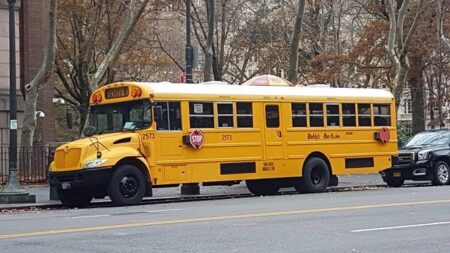
Upper West Side School Relocation Sparks Community Debate and Calls for Inclusive Dialogue
Local Families Rally Against Proposed Public School Moves in Manhattan
In Manhattan’s vibrant Upper West Side, a contentious proposal to relocate several public schools has ignited strong opposition from parents and neighborhood advocates. The plan, which involves shifting student populations to new locations, has raised alarms about potential interruptions to children’s education and the disruption of established community bonds. As the Department of Education moves toward finalizing the details, the issue has become a focal point for discussions about school capacity management, zoning policies, and the importance of community input in urban education planning.
Parents and community members have voiced several critical concerns, including:
- Academic Impact: Worries that changing schools could hinder students’ academic progress and engagement.
- Commute and Safety: Increased travel distances may pose safety risks and add financial burdens for families.
- Funding and Staffing: Skepticism about whether relocated schools will be adequately resourced to maintain educational quality.
- Preserving Community Identity: Fear that moving schools will erode the social and cultural ties nurtured over decades.
| School | Current Address | Proposed Location | Capacity Adjustment |
|---|---|---|---|
| P.S. 87 | West 84th Street | Amsterdam Avenue | Increase by 150 students |
| M.S. 297 | Broadway & 99th Street | Columbus Avenue | Decrease by 100 students |
| Early Childhood Center 22 | West 95th Street | West End Avenue | Capacity remains unchanged |
Debating the Effects on Education and Neighborhood Cohesion
The relocation plan has sparked a lively debate between educators and families regarding its potential consequences. Proponents argue that redistributing students could ease overcrowding and bring new educational opportunities, while many parents fear the upheaval could disrupt their children’s learning routines and social networks. Concerns about longer commutes, emotional adjustment, and weakening neighborhood connections have been central themes in community forums.
Educators highlight the potential for improved resource distribution and the introduction of innovative programs, especially benefiting underserved populations. The contrasting viewpoints can be summarized as follows:
- Parents’ Priorities: Stability, familiar environments, and continuity with known teachers.
- Educators’ Goals: Expanding capacity, optimizing resources, and fostering curriculum innovation.
| Focus Area | Parent Concerns | Educator Insights |
|---|---|---|
| Student Achievement | Interrupted progress, increased stress | Enhanced facilities, diverse learning options |
| Travel and Safety | Longer commutes, unfamiliar routes | Improved zoning, coordinated transportation |
| Community Impact | Loss of neighborhood cohesion | Greater engagement, shared resources |
City Officials Address Logistical Complexities and Highlight Potential Advantages
Officials overseeing the school relocation acknowledge the multifaceted challenges involved in executing the plan smoothly. Key logistical issues include coordinating transportation, managing temporary overcrowding during transitions, and maintaining clear communication with families. Proposed solutions involve staggered school schedules and expanded bus services to reduce disruption.
Despite these hurdles, city planners emphasize several anticipated benefits, such as modernizing aging school infrastructure, better balancing student populations, and expanding access to specialized educational programs. These improvements aim to foster a more equitable learning environment with smaller class sizes and enhanced individual attention. The table below outlines the expected pros and cons:
| Category | Advantages | Challenges |
|---|---|---|
| Transportation | Additional bus routes, reduced congestion | Longer commutes during transition period |
| Facilities | Upgraded classrooms, improved resources | Temporary overcrowding amid renovations |
| Student Distribution | Balanced class sizes, new program offerings | Adjustment challenges for students and families |
Experts Advocate for Open Communication and Inclusive Participation to Mitigate Concerns
In response to growing community unease, education specialists stress the importance of transparent, ongoing communication between school authorities and stakeholders. Providing clear information about timelines, expected impacts, and decision-making processes is essential to building trust and reducing anxiety.
Engagement strategies recommended include:
- Hosting frequent town hall meetings to gather input from parents, teachers, and students.
- Utilizing interactive digital platforms for real-time updates and feedback collection.
- Establishing parent advisory groups to actively participate in planning and implementation.
The following table summarizes a phased communication plan designed to ease tensions throughout the relocation process:
| Phase | Key Communication Actions |
|---|---|
| Planning Stage | Public announcements, detailed forums explaining the proposal |
| Execution Stage | Regular progress updates, interactive Q&A sessions |
| Post-Relocation | Surveys for feedback, continued community support initiatives |
Conclusion: Balancing Resource Optimization with Community Stability
The Upper West Side’s proposed public school relocations have stirred significant debate, reflecting the broader challenges urban districts face in managing growth and resources. While district leaders emphasize the necessity of adapting to increasing enrollment and modernizing facilities, many families remain apprehensive about the potential disruption to their children’s education and neighborhood ties. Upcoming public hearings and community discussions will be pivotal in shaping a plan that respects both logistical realities and the community’s voice. This ongoing dialogue underscores the critical need for collaborative approaches in urban education reform.