Mayor Mamdani Accelerates Urban Transit Revitalization in Bronx and Brooklyn
Within his first 100 days as mayor, Mamdani has taken decisive steps to jumpstart several previously stalled transportation projects, focusing heavily on the Bronx and Brooklyn. His administration is prioritizing the reactivation of paused bus lane developments and the expansion of protected cycling infrastructure. These initiatives aim to enhance transit efficiency, improve commuter experiences, and promote safer, greener travel options in two of New York City’s most transit-reliant boroughs. This proactive agenda reflects a broader vision for sustainable urban mobility and addresses years of infrastructure stagnation that have long frustrated local communities.
Revitalizing Bronx Bus Networks to Alleviate Peak-Hour Congestion
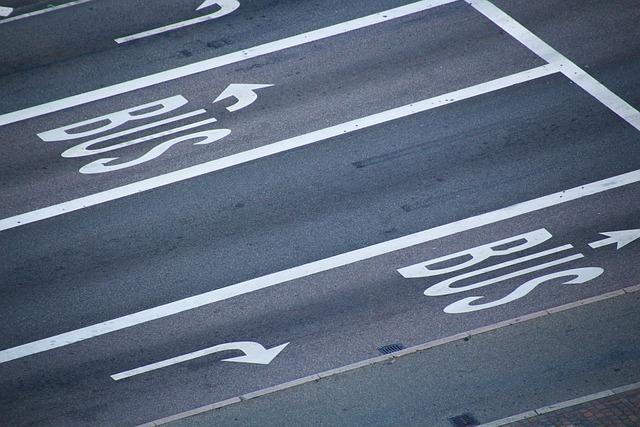
Mayor Mamdani’s administration has reignited efforts to expand the Bronx’s bus system, a project that had been dormant for several years. This renewed focus targets the reduction of travel delays and overcrowding by implementing dedicated bus lanes and increasing service frequency along critical routes. The initiative is designed to improve reliability and shorten commute times, directly benefiting thousands of daily riders who have endured chronic congestion and inconsistent schedules.
Key components of the Bronx bus expansion include:
- Installation of over 15 miles of exclusive bus lanes on major Bronx corridors
- Modernization of bus stops to facilitate quicker boarding and alighting
- Deployment of advanced real-time tracking technology to keep passengers informed
| Bus Route | Current Average Commute (minutes) | Estimated Commute Post-Expansion (minutes) | Increase in Bus Frequency |
|---|---|---|---|
| Bx12 | 45 | 30 | +25% |
| Bx19 | 50 | 35 | +20% |
| Bx27 | 40 | 28 | +30% |
Brooklyn’s Comprehensive Bike Lane Upgrade Enhances Safety and Connectivity
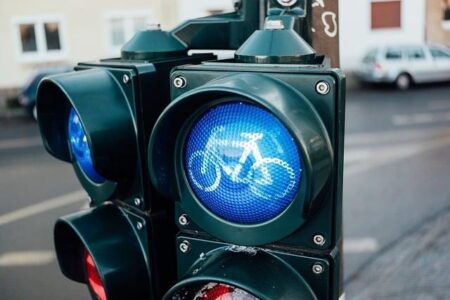
Brooklyn is undergoing a transformative upgrade to its cycling infrastructure, with a focus on expanding protected bike lanes and improving overall cyclist safety. This overhaul is part of a citywide push to encourage eco-friendly transportation, reduce traffic accidents, and foster a more accessible urban environment for cyclists and pedestrians alike.
The redesigned bike lanes will incorporate:
- Physical barriers: Robust dividers to shield cyclists from motor vehicles, significantly lowering accident risks.
- Enhanced lighting and signage: Improved visibility and clearer navigation aids, especially during nighttime and adverse weather conditions.
- Expanded route networks: Seamless connections between commercial hubs and residential areas to promote continuous, safe cycling paths.
| Project Component | Target Completion Date | Anticipated Benefits |
|---|---|---|
| 10 miles of protected bike lanes | Fall 2024 | Improved safety for approximately 25,000 daily cyclists |
| Intersection redesigns | Winter 2024 | Reduced accident rates and faster emergency response times |
| Installation of dedicated bike traffic signals | Spring 2025 | Smoother traffic flow and decreased wait times for cyclists |
Community Perspectives and Obstacles in Restarting Transit Projects
Residents and local leaders in both the Bronx and Brooklyn have expressed guarded optimism regarding the renewed focus on bus and bike lane projects. While many applaud the administration’s dedication to improving transit infrastructure, there is a strong call for inclusive planning that respects neighborhood dynamics. Advocacy groups stress the importance of ongoing dialogue to address concerns such as potential displacement, traffic rerouting, and environmental sustainability.
Despite the positive momentum, several challenges have emerged during project implementation. Coordination among city agencies, budgetary constraints, and logistical issues-especially in densely populated urban areas-have slowed progress. The primary obstacles include:
- Funding shortfalls: Balancing project costs amid competing city priorities
- Community mistrust: Overcoming skepticism due to past unfulfilled promises
- Construction setbacks: Navigating unexpected underground utility conflicts and infrastructure complexities
| Challenge | Details | Estimated Resolution Timeline |
|---|---|---|
| Budget Reallocation | Adjusting financial resources to support transit projects without compromising other services | 3-6 months |
| Community Engagement | Building trust through continuous outreach and feedback mechanisms | Ongoing |
| Infrastructure Evaluation | Resolving underground utility conflicts prior to construction commencement | 2-4 months |
Recommendations for Advancing Sustainable Urban Transit
Mayor Mamdani’s initiative to revive Bronx and Brooklyn transit projects marks a critical step toward sustainable urban transportation. To maximize impact, a holistic approach integrating multiple modes of transit is essential. This includes synchronizing enhanced bus services with expanded bike lanes and pedestrian-friendly pathways to reduce reliance on private vehicles.
Strategic priorities should encompass:
- Bus Rapid Transit (BRT) enhancements: Dedicated lanes combined with real-time tracking to improve speed and reliability.
- Seamless bike and pedestrian integration: Designing intersecting routes that facilitate safe transitions and encourage active commuting.
- Robust community involvement: Hosting workshops, surveys, and localized campaigns to foster public support and ensure equitable access.
Data-driven planning will be vital to optimize infrastructure performance and ensure equitable benefits across communities. The following framework outlines key focus areas and their anticipated outcomes, serving as a guide for policymakers and urban planners:
| Focus Area | Primary Actions | Expected Results |
|---|---|---|
| Bus Infrastructure | Implement dedicated lanes and signal prioritization | Reduced commute times and lower emissions |
| Bike Network Expansion | Develop protected lanes and improve bike-share accessibility | Higher cycling rates and safer streets |
| Community Outreach | Conduct workshops, surveys, and targeted campaigns | Increased public transit acceptance and inclusivity |
Conclusion: A Promising Path Forward for Urban Mobility
As Mayor Mamdani moves beyond his initial 100 days, his swift actions to reactivate stalled bus and bike lane projects in the Bronx and Brooklyn demonstrate a strong commitment to improving public transit and sustainable transportation. Although challenges persist, these early initiatives lay a solid foundation for long-term enhancements in New York City’s transit landscape. Residents and stakeholders will be closely monitoring the administration’s ability to maintain this momentum and deliver tangible improvements in the months ahead.