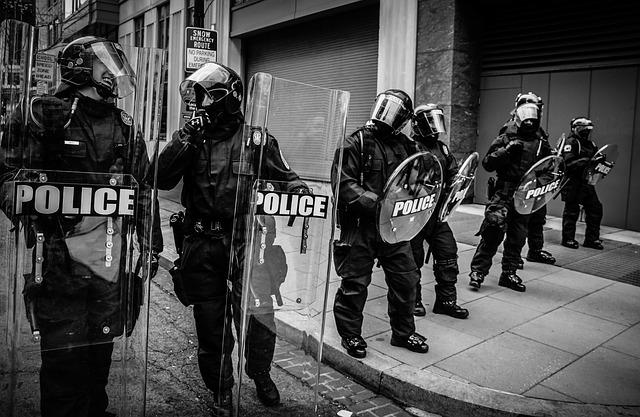
Coalition Challenges Legislation Increasing Police Powers Over Public Demonstrations
A coalition of labor unions and the New York Civil Liberties Union (NYCLU) has united to oppose a set of legislative proposals aimed at broadening police authority during public protests. These groups warn that the bills threaten to curtail constitutionally guaranteed freedoms and could intensify conflicts between law enforcement and demonstrators. As the legislation progresses through New York’s state assembly, the debate sharpens around safeguarding public safety without compromising the right to free expression.
Key concerns raised by unions and civil rights advocates include:
- Potential weakening of First Amendment protections during peaceful assemblies.
- Heightened risk of biased enforcement disproportionately targeting minority communities.
- Increased chances of excessive force being used against protest participants.
| Group | Main Concern | Anticipated Effect of Legislation |
|---|---|---|
| NYCLU | Safeguarding civil liberties | Restrictions on free speech and assembly rights |
| Labor Unions | Protecting workers’ rights during protests | Increased arrests disrupting labor demonstrations |
| Community Organizations | Combating racial profiling | Potential surge in discriminatory policing practices |
Threats to First Amendment Rights and the Complexities of Public Safety
Opponents of the bills argue that expanding police powers risks eroding fundamental constitutional protections by enabling authorities to impose broad restrictions on protests. There is growing apprehension that vague language within the legislation could be exploited to criminalize peaceful demonstrations, disproportionately affecting marginalized groups and grassroots activists. This could transform public spaces into heavily monitored zones, discouraging civic engagement and free expression.
Highlighted challenges include:
- Ambiguous terminology: The bills’ unclear definitions may allow peaceful protest activities to be misclassified as unlawful.
- Disproportionate targeting: Minority communities and social justice organizers fear being unfairly singled out.
- Public safety paradox: Critics contend that empowering police with greater authority might escalate tensions rather than promote calm.
| Focus Area | Potential Consequence | Advocates’ Position |
|---|---|---|
| Expanded Police Powers | More arrests and protest restrictions | Demand for explicit legal safeguards |
| Public Safety Justifications | Increased surveillance and use of force | Emphasis on protecting peaceful dissent |
| Legal Vagueness | Risk of arbitrary enforcement | Call for precise and transparent laws |
Evaluating the Effects on Police Accountability and Community Trust
The proposed bills have sparked intense debate over their potential to weaken mechanisms that hold law enforcement accountable during protests. Critics, including the NYCLU and prominent labor unions, argue that the legislation could grant officers unchecked authority, increasing the risk of misconduct and aggressive crowd control tactics. The absence of robust oversight provisions raises concerns that these laws might shield police from scrutiny, further straining relations with communities already wary of law enforcement.
Several critical issues have been underscored:
- Expanded discretionary powers may lead to selective enforcement disproportionately impacting vulnerable populations.
- Unclear definitions of prohibited protest behaviors could result in arbitrary arrests or forced dispersals.
- Insufficient transparency in documenting police conduct during demonstrations.
These factors collectively threaten the delicate equilibrium between maintaining public order and preserving constitutional freedoms, underscoring the necessity for thorough legislative review and community engagement in policy development.
Calls for Inclusive Dialogue and Comprehensive Policy Reform
Advocates and civil rights organizations are urging lawmakers to foster open, transparent discussions regarding the proposed expansion of police powers at protests. They warn that unchecked authority risks suppressing peaceful dissent and chilling free speech. Emphasizing the importance of inclusive policymaking, they advocate for involving a broad spectrum of stakeholders-including protest organizers, legal experts, and community representatives-to ensure that any reforms protect democratic rights while addressing public safety concerns.
Key recommendations from these groups include:
- Precise definitions of prohibited conduct to prevent arbitrary enforcement.
- Strengthened oversight mechanisms to monitor police actions during demonstrations.
- Enhanced training focused on de-escalation techniques and respect for constitutional rights.
- Community engagement channels to incorporate diverse perspectives in policy formulation.
| Issue | Concern | Suggested Solution |
|---|---|---|
| Expanded Police Authority | Potential for misuse and suppression | Implement strict limits and transparency requirements |
| Use of Force | Absence of clear protocols | Adopt standardized de-escalation procedures |
| Accountability | Inadequate oversight | Establish independent review boards |
Conclusion: Navigating the Future of Protest and Policing in New York
As New York grapples with the challenge of balancing public safety and civil liberties, the united opposition from labor unions and the NYCLU underscores persistent concerns about expanding police powers at the expense of constitutional rights. Lawmakers face the critical task of addressing these apprehensions while considering the intent behind the proposed legislation. The resolution of this debate will play a pivotal role in shaping the state’s approach to protest management and law enforcement accountability in the years ahead.