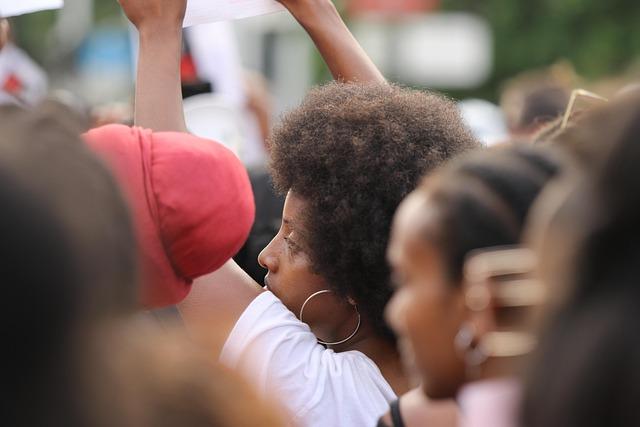
Maloney Leads Energized Advocacy for Equal Rights Amendment at City Hall
Congresswoman Carolyn Maloney energized a diverse assembly at City Hall Park, passionately urging Congress to finalize the ratification of the Equal Rights Amendment (ERA). Her compelling address emphasized the ERA’s critical role as a constitutional safeguard for gender equality. Voices from various communities shared personal experiences and systemic challenges, reinforcing the urgent need for legislative commitment to enshrine equal rights within the nation’s foundational legal document.
Participants united around several core objectives, including:
- Eliminating legislative obstacles hindering ERA adoption
- Expanding public education on gender inequality issues
- Ensuring enforceable mechanisms that translate constitutional rights into tangible protections
Below is a concise timeline summarizing pivotal moments in the ERA’s history, as highlighted during the event:
| Year | Milestone | Current Status |
|---|---|---|
| 1923 | ERA Proposed | Initial Draft Introduced |
| 1972 | Congressional Approval | Sent to States for Ratification |
| 2023 | Recent State Ratifications | Awaiting Congressional Certification |
Addressing Critical Gender Equality Challenges
Speakers at the rally shed light on enduring inequalities in wages, legal protections, and healthcare access that disproportionately affect women across the United States. Despite progress, women still earn approximately 80 cents for every dollar earned by men, and many states lack robust anti-discrimination statutes. Advocates argued that embedding the ERA into the Constitution would provide a definitive legal foundation to confront and eradicate these systemic injustices.
Key focus areas identified for immediate reform include:
- Workplace Fairness: Enhancing safeguards against pay disparities and harassment.
- Reproductive Autonomy: Protecting healthcare decisions from political interference.
- Legal Remedies: Expanding access to justice for victims of gender-based discrimination.
- Inclusive Equality: Recognizing and addressing the compounded challenges faced by women of color, LGBTQ+ communities, and women with disabilities.
| Issue | Current Reality | ERA’s Potential Impact |
|---|---|---|
| Wage Disparity | Women earn 20% less on average | Mandates equal pay for equal work |
| Workplace Protections | Inconsistent state laws | Establishes uniform federal standards |
| Healthcare Rights | Varies widely by state | Secures constitutional reproductive freedoms |
The Urgency of Legislative Action on the ERA
During the spirited gathering at City Hall Park, Rep. Carolyn Maloney emphasized the ERA as an essential civil rights advancement. She described the amendment as a “cornerstone for eliminating entrenched gender disparities” in employment, healthcare, and education. The rally featured heartfelt testimonies and compelling arguments illustrating how constitutional gender equality would fortify protections against discrimination for all individuals.
Supporters outlined several transformative benefits of the ERA, including:
- Stronger Legal Protections: Clear constitutional grounds to contest discriminatory practices.
- Economic Justice: Closing persistent wage gaps and fostering equitable workplace environments.
- Comprehensive Rights: Defending access to healthcare and reproductive choices.
Advocates called for bipartisan unity, stressing that the ERA transcends political divides and represents a concrete step toward justice. With Congress preparing for a decisive vote, the movement urges swift legislative prioritization of this landmark amendment.
Strategies to Advance ERA Passage in Congress
To accelerate the ERA’s ratification, a coordinated approach combining public engagement and legislative advocacy is vital. Mobilizing grassroots networks to spearhead state-level campaigns can amplify constituent voices demanding action. Harnessing social media to share compelling narratives and expert insights can influence undecided lawmakers by illustrating the amendment’s profound impact on gender equality.
Equally important is fostering bipartisan collaboration within Congress to overcome partisan barriers. Targeted lobbying efforts in pivotal swing states, where recent ratifications have shifted momentum, can secure the necessary votes for final approval. The table below outlines strategic priorities and their anticipated outcomes:
| Focus Area | Recommended Strategy | Projected Result |
|---|---|---|
| Grassroots Mobilization | Host rallies, town halls, and educational events | Increase constituent pressure on legislators |
| Digital Outreach | Disseminate impactful stories and legal commentary online | Engage younger demographics and opinion leaders |
| Bipartisan Cooperation | Establish cross-party caucuses and dialogues | Break legislative deadlock |
| Focused Lobbying | Concentrate efforts on key swing states and influential lawmakers | Secure decisive ratification votes |
Conclusion: The Path Forward for the Equal Rights Amendment
As the City Hall Park rally concluded, Rep. Maloney’s impassioned appeal for congressional action on the ERA resonated deeply with a broad coalition of advocates and supporters. With growing public momentum and increasing political pressure, the campaign to embed gender equality in the Constitution is gaining unprecedented traction. Lawmakers now face mounting demands to resolve this decades-long struggle, as activists pledge to persist until the ERA is fully ratified and enshrined as a fundamental civil rights guarantee.