Transforming New York City Transit: The MTA’s Vision for a Modern, Accessible, and Sustainable Future
Expanding Transit Reach and Enhancing Accessibility for All
The Metropolitan Transportation Authority (MTA) is vigorously advancing a series of transformative projects aimed at broadening transit coverage and improving accessibility throughout New York City. Central to this mission is the extension of subway lines and bus routes to better connect historically underserved neighborhoods, ensuring equitable access to public transportation. Alongside physical expansions, the MTA is integrating cutting-edge technologies such as real-time service alerts and contactless fare payment systems to streamline the commuter experience.
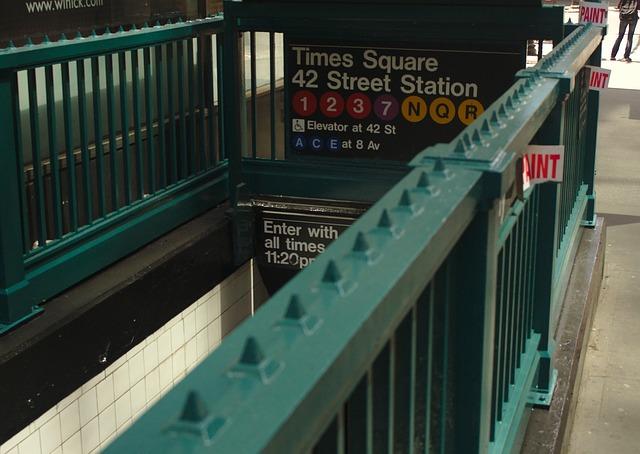
Accessibility remains a cornerstone of the MTA’s agenda, with accelerated efforts to equip stations with elevators, ramps, and other accommodations for passengers with disabilities. The agency’s recent accomplishments and upcoming targets highlight this commitment:
| Accessibility Milestone | 2023 Progress | 2024 Goals |
|---|---|---|
| New Elevators Installed | 30+ operational | 50+ planned |
| Fully Accessible Stations | ~130 stations upgraded | Targeting 150+ stations |
| Audio/Visual Assistance Systems | Enhanced in 120 stations | Expansion to 180 stations |
- New transit routes designed to connect more communities
- Specialized mobility programs tailored for seniors and individuals with disabilities
- Active community engagement channels to ensure projects align with rider needs
Upgrading Infrastructure to Deliver a Smoother Commute
Modernizing the transit system’s physical and technological infrastructure is a key pillar of the MTA’s strategy to enhance daily travel for millions. By implementing advanced signaling technologies and upgrading train fleets, the agency aims to reduce delays and improve overall service reliability. These improvements are designed to make commutes faster, safer, and more comfortable.
Highlighted infrastructure advancements include:
- Deployment of communication-based train control (CBTC) systems for optimized train movement
- Introduction of energy-saving, climate-controlled subway cars for rider comfort
- Expanded real-time service information accessible via mobile apps and station displays
- Enhanced underground Wi-Fi and cellular coverage to keep passengers connected
Complementing these upgrades, the MTA is also focusing on cleaner, safer stations with improved accessibility features, fostering an inclusive transit environment that prioritizes every commuter’s needs.
Driving Environmental Responsibility with Sustainable Transit Solutions
In light of growing environmental concerns, the MTA has committed to a comprehensive green agenda aimed at minimizing its ecological impact while maintaining high-quality transit services. A major component of this initiative is the rapid expansion of the electric and hybrid bus fleet, which is projected to reduce carbon emissions by nearly half compared to diesel buses by 2026. Additionally, the MTA is investing in solar panel installations on station rooftops and maintenance yards to harness renewable energy and lower operational carbon footprints.
- Regenerative braking technology on subway trains to capture and reuse energy
- Water-saving systems implemented at major transit hubs
- Green roofs and urban gardens introduced to mitigate heat islands and improve air quality
| Green Initiative | Expected Impact | Completion Timeline |
|---|---|---|
| Electric Bus Fleet Expansion | 45% reduction in CO₂ emissions | By 2026 |
| Solar Energy Systems | 30% decrease in energy consumption | By 2024 |
| Water Conservation Technologies | 25% reduction in water use | By 2025 |
Fostering Inclusive Transit Planning Through Community Collaboration
Integral to the MTA’s transformation is a robust commitment to engaging New Yorkers in shaping the future of their transit system. Moving beyond conventional public hearings, the agency employs a variety of inclusive platforms such as virtual forums, neighborhood workshops, and partnerships with local organizations to capture diverse perspectives. This approach ensures that transit solutions are tailored to the unique needs of each borough and demographic.
Community engagement initiatives include:
- Creation of borough-specific transit advisory committees providing ongoing project feedback
- Multilingual outreach materials and events to engage non-English speaking populations
- Interactive sessions involving riders, business owners, and advocacy groups to co-develop transit improvements
Recent milestones in community involvement demonstrate the effectiveness of these strategies:
| Engagement Activity | Community Participation | Outcome |
|---|---|---|
| Online Town Halls | Over 12,000 attendees | Incorporated real-time rider feedback into planning |
| Neighborhood Advisory Panels | 15 panels across NYC boroughs | Developed localized transit solutions |
| Multilingual Outreach Programs | Materials in 7 languages | Boosted minority community engagement by 35% |
Looking Ahead: Building a Resilient and Efficient Transit System
As the MTA continues to roll out these critical enhancements, New York City’s transit network is poised for a significant transformation. While obstacles such as funding limitations and infrastructure aging persist, the agency’s forward momentum reflects a steadfast dedication to improving reliability, accessibility, and environmental sustainability. The journey ahead demands sustained investment and innovation, but the vision is clear: a revitalized MTA that meets the evolving needs of a vibrant, ever-growing metropolis.