


New York City’s Retail Vacancy Crisis: Unpacking the Impact and Pathways to Renewal
Transforming Neighborhoods: The Growing Presence of Vacant Storefronts in NYC
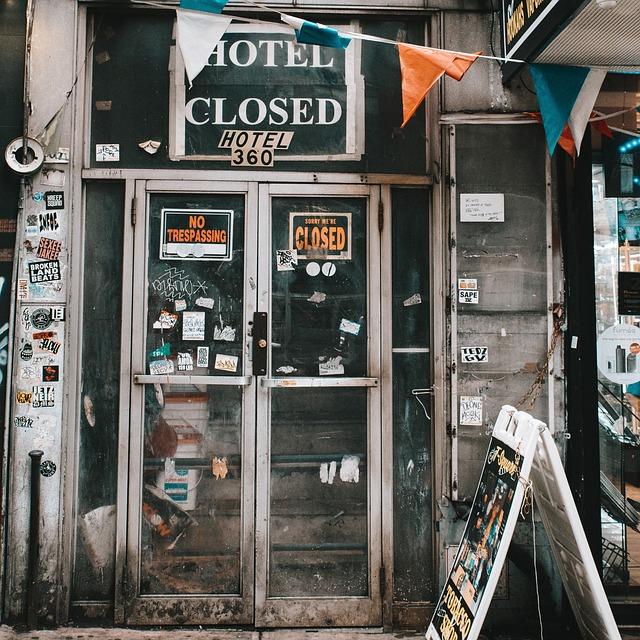
Across New York City, an alarming number of retail spaces-exceeding 16,000-stand unoccupied, signaling a profound shift in the city’s commercial environment. These once-thriving storefronts, integral to neighborhood identity and economic activity, now contribute to an expanding landscape of urban emptiness. This phenomenon is reshaping community experiences, altering local economies, and challenging the sustainability of small businesses throughout the five boroughs.
The repercussions of widespread retail vacancies ripple through various facets of city life:
- Declining pedestrian activity reduces revenue streams for operational businesses, increasing their risk of closure.
- Diminished neighborhood attractiveness discourages new investments and can depress real estate values.
- Limited access to essential services disproportionately affects underserved communities, exacerbating inequalities.
In response, city leaders and community groups are advocating for comprehensive revitalization initiatives. These include financial incentives for prospective tenants, support programs for entrepreneurs, and innovative reuse of vacant properties to reinvigorate local commerce.
| Neighborhood | Number of Vacant Storefronts | Vacancy Rate (%) |
|---|---|---|
| Midtown Manhattan | 2,200 | 18.5 |
| Williamsburg, Brooklyn | 1,300 | 14.7 |
| Harlem | 1,100 | 16.2 |
| Queens Plaza | 900 | 13.9 |
Insights from the NYC Comptroller’s Dashboard: Mapping Retail Vacancy Trends
The recently launched NYC Comptroller’s dashboard offers an in-depth analysis of retail vacancy trends, revealing a sharp increase in empty storefronts citywide. With over 16,000 retail units currently unoccupied, the data highlights neighborhoods most affected by economic shifts, including areas historically known for bustling retail activity. Experts attribute this surge to a combination of escalating commercial rents, the accelerated adoption of online shopping, and lingering disruptions from the COVID-19 pandemic.
Notable findings from the dashboard include:
- Manhattan leads in vacancy numbers, particularly in midtown and lower Manhattan retail districts.
- The Bronx and Staten Island, while less impacted, still show significant increases in vacant storefronts.
- Vacancy rates have doubled in neighborhoods once dominated by family-run businesses.
- New retail lease signings have dropped by over 25% in the last year, reflecting cautiousness among entrepreneurs.
| Borough | Vacant Storefronts | Year-over-Year Vacancy Increase |
|---|---|---|
| Manhattan | 7,500 | +45% |
| Brooklyn | 4,200 | +30% |
| Queens | 2,800 | +25% |
| Bronx | 1,300 | +20% |
| Staten Island | 450 | +15% |
Consequences for Small Businesses and Community Access to Vital Services
Small enterprises, which form the backbone of many NYC neighborhoods, are bearing the brunt of the retail vacancy crisis. With thousands of storefronts shuttered, local staples such as independent cafes, boutique shops, and service providers face mounting difficulties in sustaining customer bases and financial viability. This downturn not only hampers economic growth but also weakens the social cohesion that these businesses foster, diminishing neighborhood vitality and reducing employment opportunities.
Moreover, the closure of retail outlets restricts residents’ access to essential goods and services. Many New Yorkers now must travel greater distances for everyday needs like groceries, medications, and childcare-an added burden especially for seniors, low-income families, and those with limited mobility. Key impacts include:
- Scarcity of convenient daily necessities
- Increased time and expense associated with running errands
- Heightened safety concerns linked to neglected and abandoned properties
- Loss of cultural and social gathering spots that nurture community bonds
| Service Category | Pre-Vacancy Availability | Current Availability | Level of Impact |
|---|---|---|---|
| Grocery Stores | 850 | 570 | High |
| Pharmacies | 420 | 310 | Moderate |
| Childcare Facilities | 230 | 170 | High |
| Local Retail Shops | 2,100 | 1,500 | Severe |
Revitalization Approaches: Policies and Initiatives to Reinvigorate Vacant Retail Spaces
Addressing the proliferation of empty storefronts in NYC requires a strategic blend of economic incentives, regulatory reforms, and community-driven solutions. Effective revitalization hinges on fostering entrepreneurship while aligning with neighborhood needs. Recommended strategies include:
- Financial Incentives for Entrepreneurs: Implementing tax relief, rent subsidies, and grant programs to lower barriers for small businesses entering vacant spaces.
- Regulatory Streamlining: Simplifying zoning laws and permitting processes to facilitate adaptive reuse and mixed-use developments.
- Collaborative Public-Private Ventures: Partnering with developers and cultural organizations to create vibrant pop-up markets, shared retail hubs, and community spaces that attract visitors.
- Community-Centered Planning: Involving residents in identifying desired services and retail offerings to ensure revitalization efforts reflect local demand.
Complementing these approaches, policy innovations can further stimulate commercial activity and modernization. Consider the following targeted measures:
| Policy Initiative | Anticipated Benefit |
|---|---|
| Short-Term Use Permits | Enable temporary leases for pop-up shops and business incubators |
| Vacancy Penalties | Discourage prolonged vacancies through financial disincentives |
| Mixed-Use Development Incentives | Promote integration of residential and commercial spaces to diversify usage |
| Digital Infrastructure Funding | Support businesses in adopting e-commerce and modern technologies |
By implementing these comprehensive strategies and policies, New York City can transform its vacant retail spaces into thriving centers of commerce and community engagement, restoring economic vitality and cultural richness to its neighborhoods.
Conclusion: Navigating the Future of NYC’s Retail Landscape
As New York City continues to recover from the economic disruptions of the pandemic and adapts to evolving consumer preferences, the surge in vacant storefronts presents a multifaceted challenge. The NYC Comptroller’s dashboard serves as a vital resource for monitoring these trends in real time, offering insights critical to informed decision-making. Moving forward, a coordinated effort among policymakers, business leaders, and community stakeholders will be essential to reversing vacancy trends, revitalizing neighborhoods, and sustaining the city’s dynamic commercial ecosystem for years to come.