




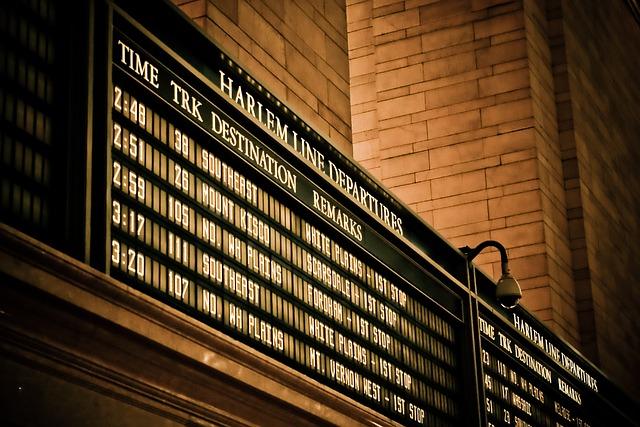
Revitalizing Harlem’s Transit: A Pathway to Equity, Growth, and Sustainability
Harlem’s Transit Landscape: Challenges and Community Consequences
As Harlem experiences dynamic growth and cultural resurgence, its transportation network increasingly falls short of meeting the evolving needs of its residents and visitors. Despite its status as a vibrant epicenter of arts and commerce, the neighborhood grapples with outdated subway infrastructure, limited bus coverage, and insufficient cycling facilities. These shortcomings hinder access to essential services such as employment, education, and healthcare, disproportionately impacting vulnerable groups including seniors and low-income households who depend heavily on public transit.
Without strategic improvements, Harlem risks deepening transit inequities that stifle economic opportunity and community well-being. For instance, recent data reveals that Harlem commuters endure an average travel time of 45 minutes, significantly longer than the 30-minute average in the Upper West Side and 32 minutes in the East Village. This disparity underscores the pressing need for transit enhancements that can support Harlem’s diverse population and foster inclusive growth.
Enhancing Accessibility: Building an Inclusive Transit System for All
Transportation in Harlem often presents barriers rather than gateways, especially for individuals with disabilities, older adults, and families with young children. The neighborhood’s aging transit infrastructure lacks many features necessary for universal accessibility, such as step-free station access, tactile guidance paths, and clear auditory signals. Addressing these gaps is crucial to ensuring that all Harlem residents can travel independently and safely.
Effective solutions require a collaborative effort among municipal planners, transit agencies, and community advocates. Key strategies include conducting thorough accessibility assessments, investing in vehicles and stations designed with universal access in mind, and establishing ongoing community engagement to adapt to changing needs. Equitable funding must prioritize historically underserved areas to close longstanding mobility gaps.
| Accessibility Feature | Current Condition | Proposed Enhancement | Expected Outcome |
|---|---|---|---|
| Elevator Access | Scarce and frequently non-operational | Installation of new elevators with regular maintenance | Improved mobility for elderly and disabled riders |
| Signage | Inconsistent, lacking clarity | Clear, multilingual signs with braille integration | Enhanced wayfinding for all passengers |
| Platform Design | High steps and gaps | Level boarding platforms for seamless entry | Faster, safer boarding experience |
Incorporating Green Technologies to Transform Harlem’s Transit
Integrating sustainable innovations into Harlem’s transit system presents a dual opportunity: reducing environmental impact while elevating commuter convenience. Transitioning to electric and hybrid buses can significantly cut greenhouse gas emissions, aligning with New York City’s broader climate goals. Additionally, solar-powered transit shelters equipped with energy-efficient lighting and digital displays enhance safety and rider information without increasing energy consumption.
Smart traffic management systems that optimize signal timing and real-time transit tracking apps can reduce delays and improve route efficiency. Complementing these efforts, expanding bike-sharing programs linked to transit hubs encourages eco-friendly last-mile connectivity, promoting healthier lifestyles and reducing car dependency.
| Technology | Advantages | Estimated Rollout |
|---|---|---|
| Electric Bus Fleet | Lower emissions and operational costs | 1-3 years |
| Solar-Powered Shelters | Energy self-sufficiency and improved safety | 2 years |
| Smart Traffic Controls | Enhanced traffic flow and reduced congestion | Immediate to 1 year |
| Integrated Bike-Sharing | Improved last-mile transit options | 1 year |
Strategic Funding and Implementation: Ensuring Effective Transit Upgrades
Securing sustainable financing is critical to realizing Harlem’s transit modernization goals. Prioritizing dedicated allocations within city and state budgets lays a strong foundation, while public-private partnerships can inject additional capital and innovation. Aggressive pursuit of federal funding, particularly through programs like the Infrastructure Investment and Jobs Act, is essential. Moreover, innovative revenue streams such as congestion pricing and incentives for transit-oriented development can supplement traditional funding sources.
Transparency and community involvement must guide the allocation of resources to ensure investments address the neighborhood’s unique needs. Key policy recommendations include upgrading station infrastructure for safety and accessibility, increasing service frequency during peak periods to alleviate overcrowding, fostering multimodal connections for seamless travel, and deploying smart technologies for real-time service updates.
| Funding Source | Estimated Contribution | Timeline |
|---|---|---|
| Federal Grants | $150 million | 2025-2027 |
| City Transportation Budget | $80 million | 2024-2028 |
| Public-Private Partnerships | $50 million | 2024-2026 |
| Congestion Pricing Revenues | $40 million | 2025-2030 |
Looking Ahead: The Imperative of Transit Renewal in Harlem
Modernizing Harlem’s transportation network transcends convenience-it is a vital investment in social equity, economic vitality, and environmental stewardship. Enhanced transit options will shorten commute times, broaden access to employment, and uplift the overall quality of life for Harlem’s residents. Momentum is building among policymakers, community leaders, and advocates to transform these plans into tangible improvements. The time to act is now: revitalizing Harlem’s transit system is an urgent priority that will shape the neighborhood’s future for generations to come.