




Assessing New York City’s Congestion Pricing One Year In: Progress, Challenges, and Future Directions
Mixed Outcomes in Traffic Management: Insights from Urban Mobility Experts
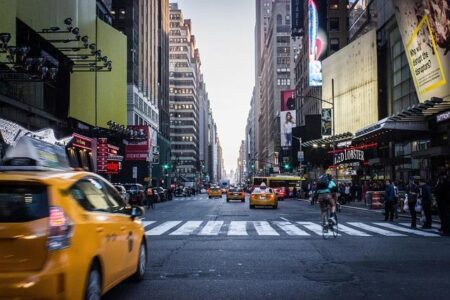
One year following the rollout of New York City’s congestion pricing initiative, experts remain divided on its overall effectiveness in alleviating traffic woes. The program, aimed at curbing vehicle density and enhancing air quality in Manhattan’s busiest districts, has yielded some encouraging results but also revealed unintended consequences. While data shows a notable reduction in vehicles entering the core business areas during peak periods, concerns have emerged about increased traffic spillover into neighboring boroughs.
- Decline in Central Traffic: Studies report approximately a 12% drop in car entries into Manhattan’s central zones during rush hours.
- Traffic Redistribution: Commuters appear to be diverting through adjacent neighborhoods, potentially exacerbating congestion and pollution outside the pricing boundaries.
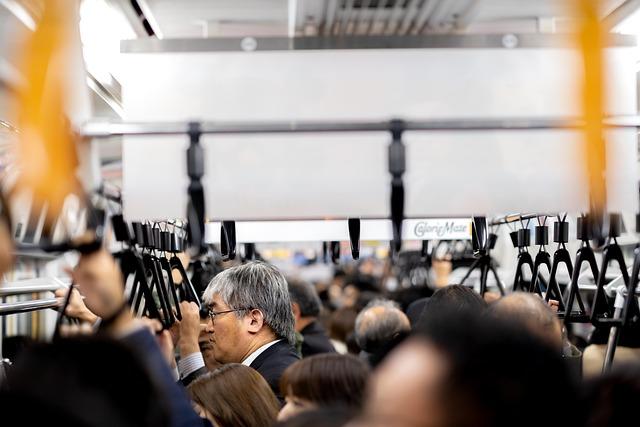
- Public Transit Strain: The surge in subway and bus ridership has placed additional pressure on transit infrastructure, complicating the net mobility improvements.
Comparative weekday traffic analyses highlight these trends:
| Location | Change in Traffic Volume | Change in Average Speed |
|---|---|---|
| Manhattan Central District | -12% | +8% |
| Bordering Outer Boroughs | +5% | -4% |
Experts advocate for ongoing evaluation and adaptive policy measures, emphasizing that congestion pricing must be integrated with robust transit investments and equitable urban planning to fully address New York’s complex transportation challenges.
Financial Repercussions for Commuters and Local Enterprises
The introduction of congestion fees has reshaped the economic landscape for daily travelers and businesses within the affected zones. Many commuters report a rise in monthly travel expenses, prompting a shift toward alternative modes such as cycling, ridesharing, and enhanced use of public transit. Meanwhile, small businesses inside the pricing perimeter have voiced concerns over diminished pedestrian traffic and logistical delays, raising questions about their viability under the new system.
Conversely, some sectors have experienced positive economic shifts. Public transportation agencies have benefited from increased fare revenues, facilitating reinvestment in service improvements. Retailers located just outside the congestion zone have seen a boost in customer visits, as drivers opt to park in these areas before continuing their trips. The table below summarizes key economic impacts observed during the program’s first year:
| Group | Effect | Percentage Change |
|---|---|---|
| Commuters | Higher Transportation Costs | +15% |
| Small Businesses in Zone | Reduced Foot Traffic | -10% |
| Public Transit Ridership | Increased Usage | +8% |
| Retailers Outside Zone | More Customer Visits | +12% |
- Travelers: Adopting more cost-effective and sustainable commuting options.
- Businesses: Experiencing varied impacts depending on location and customer base.
Environmental Gains and Public Opinion: A Delicate Balance
Environmental monitoring over the past year reveals significant improvements linked to the congestion pricing program. Emissions of nitrogen oxides (NOx) have dropped by approximately 15%, while carbon dioxide (CO2) concentrations during peak hours have decreased by nearly 12%. These reductions contribute to cleaner air and healthier urban living conditions. Additionally, pedestrian-friendly streets and increased public transit ridership suggest a gradual cultural shift toward greener transportation habits.
Despite these ecological benefits, public reception remains polarized. Critics argue that the program disproportionately burdens lower-income residents and small business owners, raising concerns about fairness and accessibility. Common grievances include:
- Rising daily commuting expenses
- Insufficient expansion of transit infrastructure
- Unequal enforcement and exemption policies favoring certain demographics
This tension between environmental progress and social equity highlights the complexities of implementing sustainable urban policies.
| Metric | Before Pricing | After Pricing | Change |
|---|---|---|---|
| NOx Emissions (Index) | 100 | 85 | -15% |
| CO2 Concentration (ppm) | 400 | 352 | -12% |
| Daily Public Transit Trips | 75,000 | 82,000 | +9.3% |
Strategic Policy Enhancements for Greater Impact and Fairness
To maximize the benefits of congestion pricing while addressing its shortcomings, experts recommend a comprehensive strategy that includes:
- Implementing Dynamic Tolling: Adjusting fees in real-time based on traffic density to better manage congestion and incentivize off-peak travel.
- Expanding and Upgrading Transit Services: Increasing frequency, adding new routes, and improving reliability to provide attractive alternatives to driving.
- Enhancing Equity Measures: Offering targeted discounts, rebates, and exemptions for low-income commuters and essential workers to ensure fair access.
- Investing in Last-Mile Connectivity: Improving pedestrian, cycling, and shuttle options to facilitate seamless access to transit hubs.
| Focus Area | Recommended Actions | Anticipated Benefits |
|---|---|---|
| Dynamic Pricing | Real-time toll adjustments | Alleviated peak congestion |
| Transit Enhancement | Increased service frequency and routes | More viable transit options |
| Equity Programs | Discounts and rebates for vulnerable groups | Improved affordability and fairness |
| Community Investment | Better last-mile transit connections | Enhanced accessibility |
Conclusion: Navigating the Road Ahead for NYC’s Congestion Pricing
As New York City nears the second anniversary of its congestion pricing policy, the conversation around its success and challenges continues. While early indicators show promising reductions in traffic and emissions alongside increased public transit use, unresolved issues related to equity and neighborhood impacts persist. Policymakers, commuters, and community stakeholders remain engaged in evaluating the program’s long-term viability. Continuous data-driven adjustments and inclusive planning will be essential to shaping a sustainable and equitable transportation future for the city.