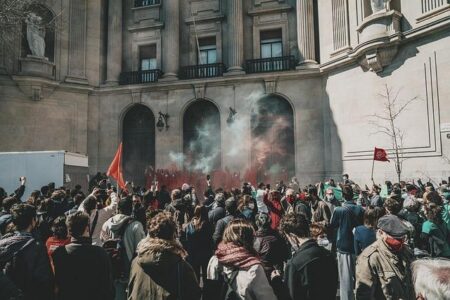

Intensifying Faculty Labor Conflict at NYU Amid Critical Deadline
New York University is currently embroiled in a heated labor dispute as faculty members stand resolute in their demands with a pivotal Monday deadline looming. This standoff has galvanized a broad coalition of students and alumni who are vocally supporting the faculty’s push for improved contract terms, signaling readiness to endorse strike action if negotiations fail. At the heart of the disagreement lie calls for enhanced compensation, stronger job security, and better working conditions-issues that resonate with ongoing national debates about academic labor rights.
Mobilization efforts by student groups and alumni networks have been swift and strategic, utilizing rallies and digital campaigns to amplify their message. Many within the NYU community emphasize that a strike would underscore the indispensable contributions of faculty to the university’s academic standards and student achievement. The principal demands fueling this impasse include:
- Annual Salary Raises: Advocating for at least a 5% increase each year over a three-year span.
- Job Security Enhancements: Implementing firmer protections against arbitrary dismissals and revising tenure policies.
- Expanded Healthcare Coverage: Including dependents and lowering out-of-pocket expenses.
- Reduced Workload: Capping class sizes and limiting administrative responsibilities.
| Group | Stance | Planned Action |
|---|---|---|
| Faculty Union | Push for equitable contract terms | Possible strike |
| Students | Endorse faculty demands | Organizing demonstrations |
| Alumni | Champion faculty rights | Launching social media advocacy |
| NYU Administration | Focus on budget constraints | Ongoing negotiation talks |
Student and Alumni Solidarity Intensifies Pressure on NYU Leadership
The labor dispute at NYU has sparked a powerful wave of solidarity from students and alumni, significantly increasing pressure on university officials. Recognizing the faculty’s vital role in sustaining academic quality, this united front is prepared to support strike measures if a resolution is not reached by the impending deadline. This collective stance reflects widespread concerns about fair compensation, job stability, and transparency in contract negotiations.
Supporters have engaged in diverse activities to maintain momentum, including campus protests, petition drives, and public declarations. Their core demands emphasize:
- Competitive Salaries: Adjusted to reflect inflation and increased faculty responsibilities.
- Stronger Employment Safeguards: Especially for adjunct and early-career professors.
- Greater Openness: Demanding clarity on administrative proposals and decision-making processes.
| Support Group | Initiatives | Effect |
|---|---|---|
| Students | Campus rallies, petitions | Increased public awareness, pressure on administration |
| Alumni | Public endorsements, financial support pledges | Raised reputational and fiscal stakes |
| Faculty | Strike preparations, informational picketing | Strengthened bargaining position |
Potential Disruptions to Academic Schedule and Campus Services
The possibility of a strike has cast uncertainty over NYU’s academic calendar and campus operations. University leaders are actively devising contingency plans to minimize interruptions during the spring term. Key challenges include rescheduling classes, adjusting exam dates, and sustaining essential services. Discussions focus on balancing the continuity of student learning with respect for faculty concerns.
Proposed operational adjustments include:
- Scaling back non-essential campus events and extracurricular programs temporarily.
- Utilizing administrative personnel to support limited academic functions.
- Enhancing communication platforms to provide timely updates to students and staff.
- Coordinating with housing and dining services to manage fluctuating campus occupancy.
| Campus Unit | Expected Impact | Mitigation Strategies |
|---|---|---|
| Academic Affairs | Class cancellations, delayed grading | Develop online course alternatives |
| Student Services | Reduced advising availability | Expand virtual counseling options |
| Facilities Management | Limited maintenance activities | Focus on critical safety areas |
Strategies for Effective Mediation and Avoiding Strike Action
To avert a full-scale strike and its disruptive consequences, prompt and structured mediation is crucial. Engaging impartial mediators with expertise in higher education labor relations can facilitate constructive dialogue between faculty representatives and university officials. This process aims to clarify contentious issues, reduce miscommunication, and foster innovative solutions that address the priorities of both parties. Scheduling daily mediation sessions leading up to the Monday deadline will help maintain momentum and demonstrate a shared commitment to resolution.
Implementing a clear, milestone-driven negotiation timeline can enhance transparency and accountability. The following schedule outlines key steps to guide the process:
| Milestone | Deadline | Goal |
|---|---|---|
| Initial Mediation | Wednesday | Identify primary obstacles |
| Exchange of Revised Proposals | Friday | Present updated offers |
| Consensus-Building Workshop | Sunday | Negotiate compromises |
| Final Agreement Review | Monday Morning | Prepare for ratification to prevent strike |
Maintaining open communication with students and alumni throughout this process is vital, as their engagement underscores the urgency of reaching a peaceful settlement. By combining focused mediation efforts, strict deadlines, and community involvement, NYU can protect its academic mission while honoring faculty rights and concerns.
Conclusion: Outlook on NYU Labor Negotiations
As the Monday deadline draws near, the pressure surrounding NYU’s labor negotiations intensifies. With a strong coalition of students and alumni rallying behind faculty, the university faces mounting demands to resolve the dispute in a manner that respects educators’ needs. The upcoming days will be decisive in determining whether an agreement can be reached or if the conflict escalates, potentially disrupting campus life and the academic calendar. All stakeholders remain watchful, aware that the outcome will significantly influence NYU’s future labor relations and institutional stability.