


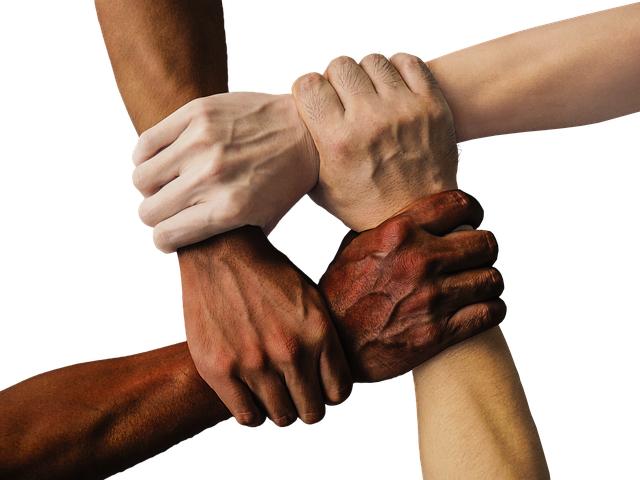
Building a More Inclusive New York: Strategies for Equitable Growth and Opportunity
As New York City solidifies its status as a global epicenter of culture, business, and innovation, the urgency to foster inclusive opportunities for all its inhabitants intensifies. This article delves into the multifaceted approaches and policy frameworks designed to bridge economic divides, broaden access to education and housing, and cultivate an equitable urban environment where every New Yorker can flourish. Highlighting both the obstacles faced and the collaborative initiatives underway, we examine how the city is striving to become more accessible and just for its diverse population.
Broadening Affordable Housing Availability Throughout the Boroughs
The scarcity of affordable housing remains one of the most pressing issues confronting New Yorkers today. With demand significantly exceeding supply, many families endure heightened financial burdens, threatening community stability. To counter this, municipal authorities are implementing forward-thinking measures aimed not only at increasing affordable housing stock but also ensuring equitable distribution to those most in need. These strategies encompass incentivizing private developers to include affordable units, revising zoning regulations to unlock dormant parcels of land, and strengthening rent control frameworks.
Current key programs include:
- Accelerated permitting for affordable housing developments
- Expanded funding for rental assistance and housing subsidies
- Rehabilitation initiatives to preserve existing affordable residences
- Inclusive planning processes that incorporate community input
| Program | Estimated Units | Implementation Period |
|---|---|---|
| Developer Incentive Programs | Over 10,000 | 2024-2026 |
| Zoning Policy Revisions | 7,500 | 2024-2025 |
| Existing Unit Renovations | 5,000 | 2023-2027 |
| Housing Voucher Expansion | 12,000 | 2024-2028 |
Overcoming Administrative Obstacles to Foster Inclusive Communities
The journey toward more inclusive neighborhoods in New York is frequently hindered by complex bureaucratic procedures that unintentionally perpetuate exclusivity. Prolonged approval timelines, inconsistent zoning interpretations, and antiquated building codes act as barriers, particularly disadvantaging community-led developers and small-scale projects aimed at serving low- and moderate-income populations. These systemic inefficiencies contribute to ongoing economic segregation, especially in areas experiencing rapid gentrification.
To dismantle these impediments, a comprehensive reform agenda emphasizing transparency and community participation is essential. Proposed measures include:
- Expedited permit processing with defined deadlines and accountability standards
- Unified zoning regulations across all boroughs to reduce confusion and delays
- Implementation of user-friendly digital platforms for real-time tracking of application statuses
| Barrier | Effect | Recommended Solution |
|---|---|---|
| Prolonged Approval Processes | Delays in affordable housing completion | Enforce strict review timelines |
| Divergent Zoning Interpretations | Project confusion and costly revisions | Adopt standardized zoning codes |
| Outdated Building Codes | Restricts innovative design solutions | Regularly update codes to reflect modern standards |
Implementing these reforms is crucial to breaking down invisible barriers and enabling housing developments that mirror New York’s rich diversity and resilience. Without decisive administrative changes, the city’s ambitions for equitable growth risk remaining unfulfilled promises.
Harnessing Public-Private Collaborations for Inclusive and Sustainable Development
Collaborations between public entities and private sector partners have become instrumental in transforming New York’s economic and social landscape. These partnerships facilitate the mobilization of capital, expertise, and innovation, particularly benefiting underserved neighborhoods. By combining resources, these alliances drive projects that generate employment, enhance infrastructure, and improve public services, all while prioritizing sustainability and inclusivity.
Key focus areas for these collaborations include:
- Mixed-use affordable housing projects integrating residential, commercial, and green spaces
- Workforce development initiatives co-designed by industry leaders and educational institutions
- Investment in green infrastructure to bolster climate resilience and create economic opportunities
| Sector | Investment Priorities | Anticipated Outcomes |
|---|---|---|
| Housing | Energy-efficient, inclusive developments | 15% increase in affordable housing units |
| Education & Workforce | Skills training and job placement programs | 10% reduction in unemployment rates |
| Infrastructure | Green transit and stormwater management systems | Enhanced urban climate resilience |
Improving Transit Connectivity to Strengthen Community Integration
Enhancing New York’s transit network is pivotal not only for mobility but also for fostering stronger community ties. Prioritizing dependable and frequent service on routes currently underserved can significantly cut commute times, especially in transit-poor neighborhoods. Expanding diverse transportation options-such as bus rapid transit, light rail systems, and bike-sharing programs-builds a flexible and equitable transit ecosystem that meets varied community demands.
Strategic priorities include:
- Redirecting investments to improve service in neglected corridors
- Facilitating seamless transfers between different transit modes
- Upgrading infrastructure to enhance accessibility for individuals with disabilities
- Deploying real-time tracking technologies to improve rider experience
- Engaging local communities in transit planning and decision-making
| Transit Mode | Average Commute Time Reduction | Annual Ridership Increase |
|---|---|---|
| Bus Rapid Transit | 15 minutes | 12% |
| Light Rail | 10 minutes | 8% |
| Bike Share | 5 minutes | 20% |
Conclusion: Advancing Toward a More Equitable New York
As New York City continues to grow as a beacon of opportunity and innovation, prioritizing inclusivity and access remains essential. By broadening pathways for all residents to participate fully in the city’s economic and social life, New York not only strengthens its communal bonds but also unlocks its greatest potential. Achieving this vision demands ongoing dedication from policymakers, community advocates, and citizens alike to foster a future marked by fairness, prosperity, and resilience.