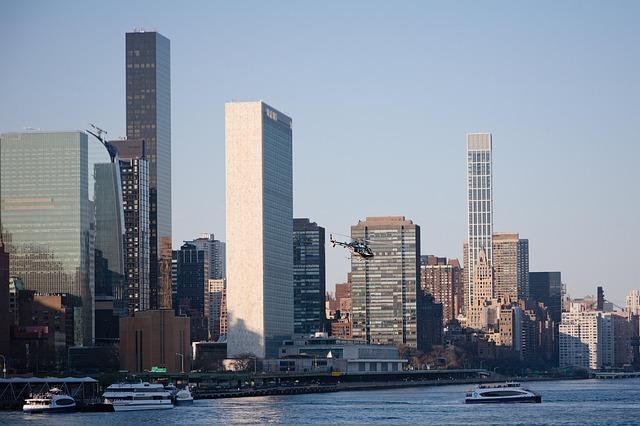
The New York City Ferry service is poised for a potential fare hike as the governing board prepares to deliberate a series of proposed changes aimed at addressing rising operational costs. With ridership steadily growing and budget pressures mounting, officials are considering adjustments that could impact commuters and tourists alike. The upcoming decisions mark a critical juncture for the ferry system, which has become an integral part of the city’s public transportation network since its launch.
Fare Hike Proposed Amid Rising Operational Costs and Budget Shortfalls
Facing a tightening budget and escalating expenses, the NYC Ferry’s governing board is considering a fare increase aimed at bridging the financial gap caused by rising fuel prices, maintenance costs, and payroll inflation. Operational challenges exacerbated by supply chain disruptions and increased regulatory compliance have further strained resources, prompting officials to propose adjustments to the current fare structure. The hike, if approved, could mark the first significant increase in several years, reflecting broader economic trends impacting public transit systems nationwide.
Alongside the proposed fare changes, the board is reviewing a slate of operational modifications to improve efficiency and service sustainability. These include:
- Streamlining routes to align capacity with passenger demand during off-peak hours
- Introducing tiered pricing based on travel distance or peak times
- Expanding digital ticketing options to reduce overhead and enhance customer convenience
- Investing in energy-efficient vessels to mitigate future fuel cost volatility
| Expense Category | 2023 Cost ($ millions) | Projected 2024 Increase (%) |
|---|---|---|
| Fuel & Energy | 18.2 | 12% |
| Maintenance | 14.7 | 9% |
| Labor & Benefits | 27.5 | 7% |
| Regulatory Compliance | 5.1 | 15% |
Potential Impact on Commuters Explored in Community Feedback Sessions
During recent community feedback sessions, ferry riders voiced their concerns and hopes regarding the proposed fare adjustments. Many emphasized the critical role the NYC Ferry plays in daily commuting, particularly for those who rely on it to avoid congested subway lines and lengthy bus routes. Among the key themes raised, affordability and service frequency emerged as top priorities, with participants urging the board to carefully consider the ripple effects a fare hike could have on low-income commuters and waterfront neighborhood access.
Key feedback highlights included:
- Affordability: Calls for maintaining discounted fare tiers and expanded eligibility for reduced rates to ease financial burdens.
- Service Reliability: Requests for improved punctuality and increased peak-hour trips to accommodate growing passenger volumes.
- Accessibility: Suggestions to enhance connectivity with other transit modes, ensuring seamless last-mile travel options.
| Priority | Percentage of Feedback |
|---|---|
| Affordability Concerns | 48% |
| Service Reliability | 35% |
| Accessibility | 17% |
The dialogue underscored a collective desire to balance fiscal sustainability with equitable service provision. Enthusiasts and skeptical commuters alike expressed the need for transparent communication as the board prepares to finalize any pricing decisions, highlighting the ferry’s role not just as transportation, but as a community lifeline.
Board Considers Service Adjustments to Balance Efficiency and Affordability
The NYC Ferry Board is actively reviewing a comprehensive proposal aimed at optimizing routes and modifying fares to sustain the system’s long-term viability. In light of rising operational costs and fluctuating ridership patterns, the board is considering adjustments that promote greater efficiency while striving to keep the service accessible to daily commuters and tourists alike. Among the key suggestions are the consolidation of underperforming routes, enhanced scheduling during peak hours, and the implementation of variable pricing strategies.
Key elements under review include:
- Route optimization: Reducing frequency on low-demand paths to allocate resources more effectively.
- Fare restructuring: Introducing tiered pricing to balance affordability with revenue needs.
- Service enhancements: Upgrading vessels and improving terminal facilities for better passenger experience.
| Proposed Adjustment | Expected Impact | Implementation Timeline |
|---|---|---|
| Route Consolidation | Increase service reliability | Q3 2024 |
| Fare Tier Introduction | Improve farebox recovery | Q4 2024 |
| Terminal Modernization | Enhance accessibility | 2025 |
Recommendations Urge Phased Implementation and Enhanced Subsidy Programs
Amid growing concerns about affordability and ridership retention, transit advocates and board members are calling for a cautious approach to the proposed fare hike. Recommendations emphasize a phased rollout of price increases to avoid sudden financial strain on regular commuters. This approach aims to balance necessary revenue growth with public accessibility, ensuring NYC Ferry remains a viable option for daily travelers.
Key components of the proposed strategy include:
- Incremental fare adjustments spread over 12 to 24 months
- Targeted subsidy enhancements for low-income and senior passengers
- Expansion of promotional fare programs to boost off-peak ridership
| Phase | Fare Increase (%) | Subsidy Enhancement | Implementation Timeline |
|---|---|---|---|
| Phase 1 | 5% | 10% boost for low-income riders | Q3 2024 |
| Phase 2 | 7% | Expanded senior discount programs | Q1 2025 |
| Phase 3 | 8% | Off-peak fare promotions | Q3 2025 |
The Way Forward
As the NYC Ferry board continues to deliberate on potential fare adjustments and service modifications, commuters and city officials alike await a final decision that could reshape the accessibility and affordability of this vital transit option. With rising operational costs and evolving ridership patterns, the impending changes underscore the broader challenges facing urban transportation networks. Stakeholders will be watching closely as the board moves toward a resolution, which promises to impact daily travel for thousands of New Yorkers across the boroughs.