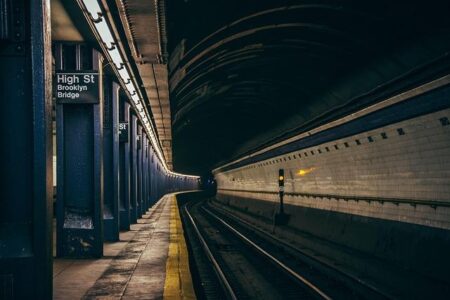


New York City’s streets are growing darker as the number of broken streetlights continues to rise, with repair times stretching longer than ever, according to recently released data. Despite efforts to maintain public safety and improve urban infrastructure, residents and city officials alike are raising concerns about the growing backlog of outages. This surge in unresolved streetlight repairs is sparking calls for increased funding and more efficient management to prevent neighborhoods from slipping into prolonged periods of dimly lit, and potentially hazardous, streets.
Rising Number of Broken Streetlights Raises Safety Concerns Across New York City
Across many neighborhoods in New York City, residents are raising alarms as the number of non-functioning streetlights has reached unprecedented levels. The outage of these vital light sources not only plunges streets into darkness but also sparks growing fears about increased crime and pedestrian hazards. Community leaders and city officials acknowledge that delayed repair times-now averaging over 45 days-have compounded the problem, leaving large areas inadequately illuminated during nighttime hours.
Key issues contributing to the surge in broken streetlights include:
- Budget constraints limiting maintenance crews and resources.
- Outdated infrastructure unable to support asynchronous repair requests efficiently.
- Increased incidence of accidental or intentional damage exacerbating the backlog.
The following table illustrates repair timelines across boroughs, highlighting stark contrasts that some communities face:
| Borough | Average Repair Time (days) | Percentage of Outages |
|---|---|---|
| Manhattan | 32 | 15% |
| Brooklyn | 48 | 35% |
| Queens | 43 | 25% |
| The Bronx | 50 | 20% |
| Staten Island | 55 | 5% |
Repair Delays Worsen as City Struggles with Budget and Staffing Shortages
Budget constraints coupled with a shrinking workforce have created a perfect storm that prolongs the repair timelines for streetlights across New York City. City officials have admitted that limited financial resources force the prioritization of emergency repairs over routine maintenance, leading to an accumulation of broken lights in residential and commercial areas alike. Meanwhile, hiring freezes and attrition in the Department of Transportation’s repair crews mean fewer hands on deck to tackle the growing backlog.
Residents and local businesses report dimly lit streets becoming a common hazard, with many areas waiting weeks-or even months-for necessary fixes. The city’s latest internal report shows:
- Average repair time increased: from 15 to 45 days in the past year
- Open repair requests doubled: over 10,000 unresolved cases
- Staff vacancies: 30% of maintenance positions remain unfilled
| Quarter | Repair Backlog | Average Days to Repair | Vacant Positions |
|---|---|---|---|
| Q1 2023 | 4,500 | 18 | 15% |
| Q2 2023 | 7,000 | 30 | 22% |
| Q3 2023 | 9,200 | 42 | 28% |
| Q4 2023 | 10,500 | 45 | 30% |
Community Impact and Increased Crime Rates Linked to Extended Outages
Residents in neighborhoods with prolonged streetlight outages have reported a growing sense of unease as dimly lit streets provide cover for illicit activities. Local community groups and law enforcement officials warn that these dark zones, stretching for weeks or even months, are increasingly becoming hotspots for petty theft, vandalism, and other crimes. The reduced visibility not only compromises night-time safety but also undermines residents’ trust in city maintenance and public safety efforts.
Key concerns raised by community leaders include:
- Spike in burglaries and vehicle break-ins in affected areas
- Delayed police response due to poor visibility
- Heightened fear among vulnerable populations, including seniors and children
- Negative impact on local businesses dependent on evening foot traffic
| Neighborhood | Average Outage Duration (Days) | Reported Crime Increase (%) |
|---|---|---|
| East Harlem | 28 | 15% |
| South Bronx | 34 | 22% |
| Brownsville | 40 | 27% |
Experts Urge Increased Investment and Streamlined Maintenance Processes to Restore Lighting
City infrastructure experts emphasize that addressing the widespread streetlight outages in New York City requires not only increased funding but also a modernization of maintenance strategies. Current budgets are stretched thin, limiting the frequency of repairs and the number of crew deployments. Advocates suggest prioritizing investments in advanced monitoring technology and predictive maintenance tools, which could identify damaged fixtures before they go dark. This proactive approach is expected to reduce the average repair time drastically and enhance public safety by keeping the city’s streets well-lit.
Additionally, streamlining the bureaucratic processes around streetlight repairs could fast-track fixes and reduce downtime. Key recommendations include:
- Centralizing service requests through a unified digital platform to reduce duplication and administrative delays
- Training specialized rapid response teams that can focus exclusively on critical outages in high-traffic areas
- Standardizing parts and repair protocols to expedite the procurement process and minimize on-site complications
| Current Average Repair Time | Target Repair Time After Process Improvement |
|---|---|
| 45 days | 15 days |
In Summary
As New York City continues to grapple with an increasing number of broken streetlights and lengthening repair timelines, residents and officials alike face mounting concerns over public safety and urban infrastructure maintenance. The data underscores a pressing need for more efficient response strategies to ensure that the city’s nightscape remains both well-lit and secure. Without timely intervention, the growing network of darkened streets risks becoming not just an inconvenience, but a hazard for communities across all boroughs.