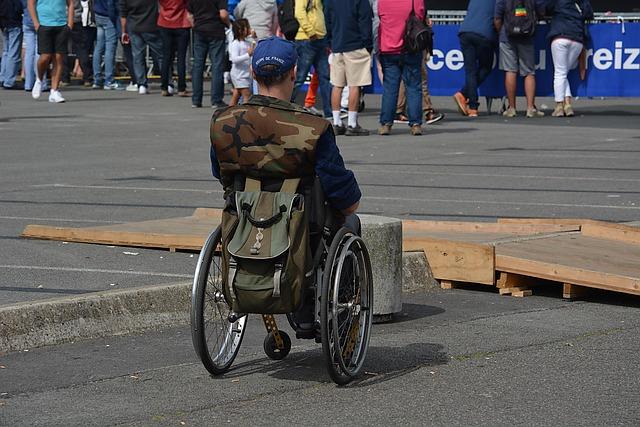
The New York City Council is on the verge of passing a groundbreaking measure that would eliminate property taxes for a select group of disabled veterans. The proposed legislation aims to provide much-needed financial relief to those who have served the nation and now face challenges related to their disabilities. If enacted, the policy could set a precedent for veteran-focused tax reforms, underscoring the city’s commitment to supporting its military community. Lawmakers and advocacy groups alike are closely watching the developments as the Council prepares to vote.
NYC Council Advances Proposal to Eliminate Property Taxes for Disabled Veterans
The New York City Council is making strides toward easing the financial burden on disabled veterans by advancing a proposal that would eliminate property taxes for eligible individuals. This move marks a significant step in recognizing the sacrifices made by veterans and ensuring their well-being. If approved, the measure would provide relief to thousands of disabled veterans residing in the city, allowing them to retain more income for healthcare and daily living expenses.
Key components of the proposal include:
- Property tax exemption for veterans with service-connected disabilities rated 50% or higher
- Extension of eligibility to surviving spouses of disabled veterans
- Streamlined application process administered by the NYC Department of Finance
| Eligibility Criteria | Tax Relief Level |
|---|---|
| Disability rating 50%+ | 100% exemption |
| Surviving spouse | 100% exemption |
| Partial disability rating (less than 50%) | Not eligible |
Impact on Veterans and Their Families Explored in Depth
The proposed elimination of property taxes for certain disabled veterans in New York City stands to bring significant relief to a community that has long faced financial and emotional challenges. For many veterans, the burden of property taxes adds to the complexities of managing daily life post-service, especially when compounded by service-related disabilities. This initiative could enable disabled veterans to allocate more of their limited resources toward healthcare, rehabilitation, and family needs, fostering a more stable home environment.
Families of disabled veterans also experience ripple effects from this potential policy change. Reduced financial strain means less stress and an improved quality of life for spouses, children, and caregivers who often share the weight of adjustment and care responsibilities. Key impacts include:
- Increased access to critical healthcare services through redirected funds.
- Improved housing security reducing the risk of displacement.
- Enhanced emotional well-being stemming from reduced financial anxiety.
Analysis of Fiscal Implications for City Budget and Public Services
The proposed elimination of property taxes for certain disabled veterans is expected to have a nuanced impact on New York City’s fiscal landscape. While the initiative supports a vulnerable demographic, it introduces a reduction in expected municipal revenue, estimated at approximately $20 million annually. City budget officials are already exploring offset measures, including modest adjustments in non-essential expenditures and potential increases in state and federal aid to bridge the revenue gap without undermining public service quality.
Public service funding is at the forefront of budgetary considerations. Key areas such as public safety, education, and healthcare could face slight tightening, though the city pledges to safeguard these critical sectors by optimizing operational efficiencies. Below is a simplified breakdown of the preliminary fiscal impact assessment:
| Budget Category | Change in Funding | Notes |
|---|---|---|
| Revenue Loss from Property Taxes | -$20M | Projected annual shortfall |
| Public Safety | -2% | Efficiency improvements planned |
| Education | -1.5% | Limited impact, prioritized spending |
| Healthcare Services | Unchanged | Protected funding levels |
- Offsetting Measures: Increased pursuit of federal grants and public-private partnerships.
- Long-term Outlook: Potential for economic uplift through improved veteran welfare.
- Community Impact: Enhanced social equity anticipated.
Recommendations for Implementation and Future Veteran Support Policies
To ensure the success of this groundbreaking property tax exemption, policymakers should focus on clear, streamlined eligibility verification processes. Collaboration with veteran organizations and local agencies is essential for outreach, ensuring disabled veterans are fully aware of the benefits available to them. Further, integrating digital platforms for application and status tracking can reduce bureaucratic delays and improve user experience for veterans navigating these programs.
Future policies should also consider the broader spectrum of veteran needs, including:
- Enhancing access to affordable housing and healthcare services
- Supporting workforce reintegration through job training programs tailored for disabled veterans
- Expanding mental health resources and community support systems
| Policy Focus | Priority Actions |
|---|---|
| Housing Stability | Expanded subsidies and accessible units |
| Employment | Vocational programs & employer incentives |
| Healthcare | Comprehensive mental health coverage |
| Community Support | Peer networks and outreach initiatives |
In Summary
As the New York City Council moves closer to approving the elimination of property taxes for certain disabled veterans, the potential policy change represents a significant step toward recognizing the sacrifices made by those who have served. Advocates emphasize that this measure would provide meaningful financial relief and demonstrate the city’s commitment to supporting its veteran community. With deliberations ongoing, stakeholders await the final decision that could reshape property tax obligations for disabled veterans across the city.