


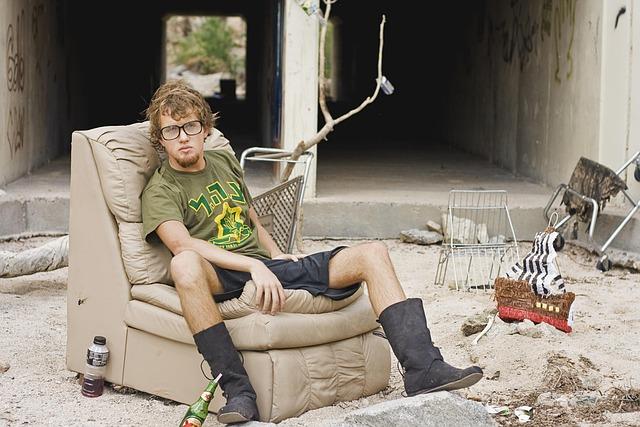
New York City has seen a notable decline in student homelessness over the past year, according to a recent report, signaling progress in the battle against a persistent crisis. However, despite the encouraging drop, the number of students lacking stable housing remains alarmingly high, underscoring ongoing challenges for the city’s education and social services systems. The findings highlight the complex realities faced by thousands of homeless students and the urgent need for sustained efforts to address this vulnerable population’s needs.
NYC Student Homelessness Sees Modest Decrease Amid Ongoing Challenges
Despite recent progress, the issue of student homelessness in New York City remains a persistent concern for educators and policymakers. The latest report shows a 3% decline in the number of homeless students this academic year, signaling cautious optimism. However, with over 20,000 students still lacking stable housing, the challenges of providing consistent education and social support continue unabated. Key factors contributing to this issue include rising housing costs, the economic impact of the pandemic, and limited availability of affordable shelter options.
Efforts to address homelessness among youth have focused on several critical areas:
- Expansion of targeted support services within schools
- Increased funding for emergency housing programs
- Community collaborations to improve resource accessibility
| Year | Homeless Students | % Change |
|---|---|---|
| 2021 | 21,000 | – |
| 2022 | 20,370 | -3% |
| 2023 | 19,740 (Projected) | -3% |
While the modest decrease offers hope, experts emphasize that sustained investment and innovative policy solutions are essential to ensure that every student in NYC has a safe and stable environment conducive to learning.
Disparities Persist Across Boroughs and Demographic Groups
Despite an overall decline in student homelessness across New York City, significant disparities remain deeply entrenched across different boroughs and demographic groups. For instance, the Bronx continues to face disproportionately higher rates of student homelessness compared to Manhattan, highlighting systemic inequalities. Students from Black and Hispanic communities are consistently overrepresented in the data, underscoring persistent socio-economic challenges that disproportionally affect these groups. Such disparities underscore the urgent need for borough-specific interventions and culturally responsive support systems.
Key disparities uncovered include:
- Bronx reporting nearly double the student homelessness rate compared to Staten Island.
- Hispanic and Black students making up over 75% of the homeless student population, despite being less than 60% of the overall student body.
- Higher rates of homelessness observed in elementary and middle schools within under-resourced neighborhoods.
| Borough | Student Homelessness Rate (%) | Primary Affected Demographic |
|---|---|---|
| Bronx | 4.5 | Black & Hispanic Students |
| Brooklyn | 3.8 | Black Students |
| Manhattan | 2.3 | Hispanic Students |
| Queens | 2.9 | All Demographics |
| Staten Island | 1.7 | White Students |
Impact of Housing Instability on Academic Performance and Wellbeing
Students experiencing unstable housing often face significant challenges that extend beyond the classroom. Frequent moves, overcrowded living conditions, and uncertainty about where they will sleep disrupt their ability to attend school consistently, leading to higher absenteeism rates. These interruptions negatively affect not only academic progress but also concentration, participation, and engagement in learning activities. Educators report increased difficulty in tracking performance and providing tailored support when students’ living situations are in flux.
Beyond academics, the impact on emotional and physical wellbeing is profound. Housing insecurity is linked with elevated stress levels, anxiety, and sleep deprivation, all of which impede cognitive functioning and resilience. Support services within schools strive to mitigate these effects, yet many students remain vulnerable due to limited access to healthcare and stable nutrition. The ripple effects on social relationships and self-esteem create further barriers to success, underscoring the urgent need for integrated community efforts to address these intertwined challenges.
- Inconsistent school attendance: Up to 40% higher among unstably housed students
- Lower standardized test scores: Average declines of 15-20% compared to peers
- Increased behavioral referrals: Linked to stress and instability at home
| Key Indicator | Homeless Students | Housed Peers |
|---|---|---|
| Chronic Absenteeism | 35% | 12% |
| Grade Retention | 18% | 7% |
| Access to School Counseling | 60% | 85% |
Experts Call for Increased Funding and Targeted Support Services
Leading education and social service experts emphasize the urgent need for increased financial investment to address the persistent challenges faced by homeless students in New York City. Despite a reported decline in student homelessness, vulnerable youth continue to experience instability that affects their academic performance and emotional wellbeing. Experts advocate for funding to be funneled into programs that provide both immediate relief – such as emergency housing and food assistance – and long-term solutions like counseling, mentorship, and educational support tailored to homeless students’ unique circumstances.
Recommendations from specialists also call for a strategic allocation of resources that prioritizes targeted support services to bridge gaps in access and inclusion. Key areas of focus include:
- Expanding school-based mental health resources
- Implementing tailored academic tutoring and after-school programs
- Increasing family outreach to prevent homelessness before it starts
- Strengthening cross-agency collaboration for holistic care
| Funding Area | Proposed Investment | Expected Impact |
|---|---|---|
| Emergency Housing | $15 million | Immediate shelter for 3,000 students |
| Mental Health Services | $8 million | Counseling for 5,000+ students annually |
| Educational Support | $12 million | Tutoring and mentorship programs |
| Family Outreach | $5 million | Early intervention to reduce homelessness risk |
In Retrospect
As the latest report reveals, despite notable progress in reducing student homelessness in New York City, the issue continues to affect thousands of young people and their families. Advocates stress that sustained investment and targeted policies remain crucial to ensuring all students have stable housing and equal access to education. With the city still grappling with systemic challenges, the data serves as a sobering reminder that ending student homelessness requires ongoing attention and action.