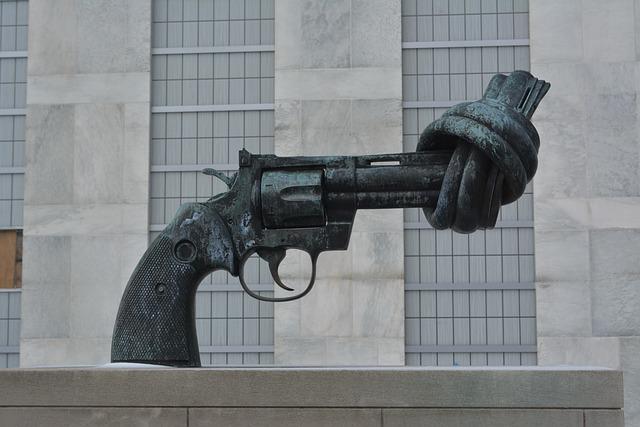
The recent murder of a Bronx teenager has once again cast a harsh spotlight on the urgent need for stronger gun control measures in New York City. As the community reels from this senseless act of violence, calls are mounting for lawmakers and law enforcement to take decisive action to stem the tide of gun-related crimes. This editorial examines the factors contributing to the city’s ongoing gun crisis and argues that only a tougher, more comprehensive approach can protect New York’s youth and restore a sense of safety to neighborhoods plagued by violence.
Strengthening Gun Control Laws to Prevent Tragedies
New York faces an urgent imperative to enhance its gun control measures following the tragic loss of a Bronx teenager to senseless violence. Current laws, although comprehensive, have loopholes that allow dangerous weapons to find their way into the wrong hands. Tighter background checks, expanded red flag laws, and stricter regulations on firearm sales must become cornerstones of policy reform. Without decisive action, communities will continue to suffer the consequences of inadequate oversight, with innocent lives caught in the crossfire.
The challenge extends beyond legislation; enforcement and community engagement are equally critical. Enhanced coordination between law enforcement agencies, improved tracking of illegal arms trafficking, and robust public awareness campaigns are essential to stem the tide of gun violence. Below is an outline of key strategies that can bolster New York’s efforts:
- Universal Background Checks: Mandate for all gun purchases, including private sales and gun shows.
- Extended Waiting Periods: Implement mandatory cooling-off periods to prevent impulsive acts of violence.
- Red Flag Laws: Empower family and law enforcement to temporarily remove firearms from at-risk individuals.
- Stronger Licensing Requirements: Increase training and psychological assessment standards for gun owners.
| Policy Measure | Potential Impact | Status in NY |
|---|---|---|
| Universal Background Checks | Reduce unauthorized purchases | Partial |
| Red Flag Law Expansion | Prevent imminent threats | Limited |
| Waiting Periods | Avoid impulsive violence | Variable by county |
| Comprehensive Licensing | Ensure responsible ownership | Needs improvement |
Enhancing Community Policing and Violence Intervention Programs
To effectively tackle gun violence, New York must prioritize strengthening community policing efforts that foster trust and cooperation between law enforcement and residents. Officers deeply embedded in neighborhoods are better equipped to identify brewing conflicts and intervene before they escalate. This approach requires sustained investment in training officers on cultural competency, de-escalation techniques, and building long-term relationships. Equally important is the recruitment of personnel who reflect the neighborhoods they serve, ensuring that communication lines remain open and credible.
Meanwhile, violence intervention programs must be expanded with a focus on evidence-based strategies that address the root causes of gun violence. These initiatives should prioritize:
- Mediation and conflict resolution services aimed at youth and community members entangled in cycles of retaliation;
- Wraparound support including mental health counseling, job training, and educational resources;
- Community-led outreach leveraging trusted figures such as clergy, social workers, and formerly incarcerated individuals.
| Program Component | Key Benefit | Implementation Focus |
|---|---|---|
| Neighborhood Liaison Officers | Builds trust and reduces crime reporting gaps | Consistent presence, community engagement |
| Conflict Mediation Teams | Prevents retaliatory violence | Real-time intervention, culturally aware |
| Holistic Youth Support | Reduces at-risk behaviors | Education, employment, counseling |
By embedding such programs within the fabric of communities most affected by gun violence, New York can shift from reactionary enforcement to proactive prevention, ultimately saving lives and restoring public confidence in safety initiatives.
Increasing Investment in Youth Support and Education Initiatives
Effective solutions to gun violence must prioritize the root causes that leave young people vulnerable. This means channeling more resources into comprehensive youth support programs that offer safe spaces, mentorship, and mental health counseling. Evidence consistently shows that when communities invest in empowering youth through education and emotional guidance, the cycle of violence can be disrupted. Initiatives that combine after-school activities, career training, and trauma-informed support not only help prevent gang involvement but also foster a sense of belonging and purpose.
City officials should consider boosting funding for programs proven to make a difference, with a focus on:
- Expanded access to quality education with smaller class sizes and updated curricula promoting conflict resolution and civic engagement.
- Community-based mental health services tailored specifically to adolescents’ needs.
- Youth employment programs that build practical skills and create economic opportunities.
- Safe recreational spaces where young people can gather and grow away from violence.
| Program Type | Expected Impact |
|---|---|
| After-School Mentoring | Reduce gang recruitment by 35% |
| Trauma Counseling | Lower youth recidivism by 25% |
| Job Training Initiatives | Increase employment rates by 40% |
| Conflict Resolution Classes | Cut violent incidents in schools by 30% |
Call for State and Federal Collaboration to Address Gun Violence
To curb the rising tide of gun violence, it is imperative that New York collaborates more closely with federal agencies. State authorities alone cannot dismantle the intricate networks that funnel illegal firearms into urban neighborhoods. A united front involving cross-jurisdictional data sharing, coordinated law enforcement operations, and comprehensive legislative action will strengthen efforts to prosecute violent offenders and intercept weapons before they reach the streets.
Key strategies for effective collaboration include:
- Establishing joint task forces focused on firearm trafficking and violent crime.
- Increasing federal funding to support local gun violence prevention programs.
- Standardizing reporting systems so that data flows seamlessly across agencies.
- Enhancing background check protocols to close loopholes exploited by gun dealers.
| Initiative | Lead Agency | Expected Impact |
|---|---|---|
| Federal-State Gun Trafficking Task Force | DOJ & NYPD | Disrupt illegal arms flow |
| Data Integration Platform | DPH & ATF | Improved crime analytics |
| Community Violence Intervention Funding | Federal Grants | Reduced urban gun violence |
| Enhanced Background Checks | State Legislature | Limit firearm access to high-risk individuals |
To Conclude
The tragic death of the Bronx teen is a stark reminder that New York’s current approach to gun control is failing to protect its most vulnerable communities. As the city grapples with rising gun violence, decisive action is urgently needed to strengthen laws, enhance enforcement, and invest in community-based interventions. The lives of countless New Yorkers depend on a safer, more proactive response-one that not only condemns senseless acts of violence but also prevents them from occurring. It is time for city and state leaders to move beyond rhetoric and take tangible steps toward a future where no family has to endure such heartbreak again.