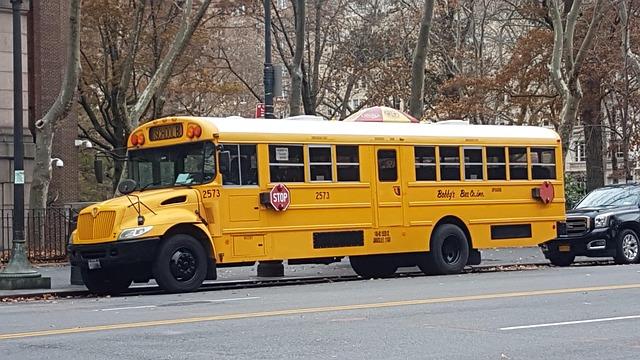
Hundreds of students in New York City remain without school bus transportation weeks into the academic year, city officials confirmed Monday. The ongoing delays have left families scrambling for alternative ways to get their children to school, raising concerns about student safety and attendance. Despite promises of improvements, the transportation disruption continues to impact students across multiple boroughs, prompting calls for swift action from community leaders and parents alike.
Impact of Transportation Delays on Student Attendance and Family Schedules
Transportation delays have significantly disrupted not only student attendance but also the daily routines of countless families across New York City. Many students, stranded without their usual bus services, face challenges arriving at school on time, causing missed instructional time and heightened stress. Parents, in turn, must scramble to find alternative arrangements, often juggling work commitments and childcare responsibilities on short notice. These logistical hurdles disproportionately affect working-class families who lack the flexibility or resources to adjust quickly.
Key consequences stemming from these delays include:
- Increased tardiness and absenteeism among affected students
- Heightened anxiety and fatigue among children due to changing transit plans
- Parents forced to take unpaid leave or modify work hours unexpectedly
- Strain on community support networks as families seek carpool solutions
| Impact Area | Typical Effect | Estimated Number Affected |
|---|---|---|
| Student Attendance | Late arrivals and absences | 500+ students |
| Family Schedules | Workday disruptions | Thousands of parents |
| Community Resources | Increased reliance on informal carpools | Numerous neighborhoods |
City Officials Outline Steps to Address School Bus Shortages and Service Gaps
City officials have unveiled a comprehensive strategy to tackle the persistent problem of school bus shortages that continue to affect hundreds of students across New York City. The plan focuses on expanding the bus fleet, improving route management, and increasing coordination between the Department of Education and private contractors. Key actions include:
- Deploying 150 additional buses before the start of the next school term
- Implementing real-time GPS tracking to optimize routes and reduce delays
- Launching a recruitment initiative aimed at hiring more qualified drivers
- Collaborating with community stakeholders to identify underserved areas
Officials emphasized that data-driven decision-making will play a crucial role in minimizing service gaps. Below is a summary of the current bus allocation compared to projected needs for five key boroughs:
| Borough | Current Buses | Required Buses | Shortage |
|---|---|---|---|
| Manhattan | 320 | 350 | 30 |
| Brooklyn | 410 | 460 | 50 |
| Queens | 290 | 320 | 30 |
| Bronx | 230 | 280 | 50 |
| Staten Island | 110 | 120 | 10 |
By closely monitoring these key metrics and engaging with affected families, the city aims to restore reliable school bus service swiftly and efficiently, ensuring students’ timely arrival to school with improved safety and convenience.
Community Leaders Call for Increased Funding and Improved Transit Coordination
Community leaders across New York City are urging officials to prioritize increased funding for school bus services, highlighting the critical gap left in transport access for hundreds of students. According to advocacy groups, current budget allocations fall short of adequately covering transit needs, disproportionately affecting low-income neighborhoods. Leaders emphasize that without a swift financial boost, students will continue facing daily obstacles that hinder attendance and academic performance.
In addition to funding concerns, officials highlight a pressing need for enhanced coordination among transit agencies, schools, and local governments. The fragmented nature of service provision has led to scheduling conflicts and inconsistent bus availability, compounding the challenges experienced by families. Key proposals from the community include:
- Centralized scheduling platforms to synchronize routes citywide
- Regular stakeholder meetings to address service gaps
- Investment in real-time tracking technology for transparency
| Proposed Measure | Expected Impact | Priority Level |
|---|---|---|
| Increased Budget Allocation | Expand bus fleet and routes | High |
| Unified Transit Coordination | Reduce service delays | Medium |
| Real-Time Tracking Systems | Improve parent and school communication | High |
Experts Recommend Long-term Solutions for Reliable Student Transportation Systems
Transportation experts emphasize that tackling persistent student bus service failures requires a shift from short-term fixes to comprehensive, long-term strategies. They argue for the implementation of integrated planning frameworks that coordinate city agencies, schools, and private contractors to ensure seamless management and accountability. Key recommendations include:
- Developing centralized scheduling systems enhanced by real-time tracking technology
- Investing in fleet modernization to reduce breakdowns and delays
- Establishing multi-year contracts with performance incentives for transport providers
- Promoting community feedback mechanisms to identify and resolve service gaps swiftly
Moreover, experts highlight the importance of leveraging data analytics to optimize routes and improve resource allocation. The following table illustrates a proposed phased approach to strengthening student transportation frameworks:
| Phase | Focus Area | Expected Outcome |
|---|---|---|
| 1 | Coordination & Technology Integration | Real-time monitoring & problem resolution |
| 2 | Fleet Upgrades | Enhanced reliability & safety |
| 3 | Contractual Reforms | Accountability & service quality improvement |
| 4 | Community Engagement | Increased responsiveness & trust |
The Conclusion
As the school year progresses, the ongoing transportation challenges continue to affect hundreds of students across New York City, leaving families frustrated and concerned. City officials have pledged to address the issue, but for now, many students remain without reliable school bus service. The situation underscores the critical need for timely solutions to ensure all students can safely and consistently access their education. Authorities say they are actively working to resolve the delays, urging affected families to stay in contact with their schools for updates.