

The Metropolitan Transportation Authority (MTA) addresses some of the most pressing concerns facing New Yorkers this season in its latest public update. From the impact of leaves on the tracks and how the agency is working to maintain safe and timely service, to the latest adjustments in train schedules and the rollout of new fare gates across the network, the MTA is providing answers to common questions from commuters. This article delves into the operational challenges and improvements currently shaping the city’s transit experience.
Leaves on the Tracks Impacting Train Safety and Performance
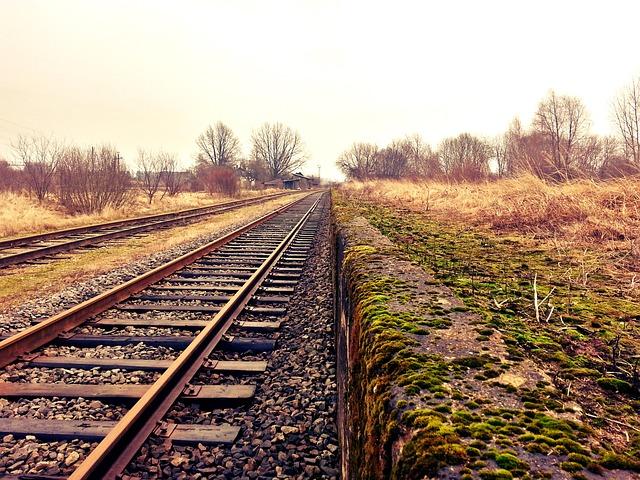
Every autumn, the MTA faces significant challenges as fallen leaves accumulate on tracks, creating a slippery layer that directly affects train traction and braking efficiency. This buildup often leads to slower train speeds, longer stopping distances, and in some cases, temporary service delays. The MTA deploys specialized rail sanding equipment and track cleaning trains to combat these issues, but the natural cycle of leaf fall means disruptions remain an annual concern. Passengers may notice increased travel times and occasional schedule adjustments, as safety takes precedence over punctuality during peak leaf-fall periods.
To highlight the seasonal impact, here is a brief overview of key factors influenced by leaves on the tracks:
- Reduced train speed due to decreased rail adhesion
- Increased braking distance for passenger safety
- Potential for wheel slip and signal errors
- Regular deployment of maintenance crews during affected months
Understanding Recent Changes in Train Schedules
Recent adjustments in the MTA train schedules aim to improve reliability amid seasonal challenges and ongoing infrastructure upgrades. One notable factor influencing timing changes has been increased track maintenance to clear fallen leaves, which cause traction issues leading to slower acceleration and braking. This seasonal hurdle has prompted the MTA to revise train frequencies, especially on lines notorious for delays during autumn. Riders should anticipate minor shifts in departure times and occasional platform wait periods as crews work diligently to maintain safe and efficient service.
Key Changes to Note:
- Earlier off-peak frequency reductions on select branches to accommodate maintenance windows
- Additional buffer time built into peak-hour schedules to counteract delay ripple effects
- Enhanced communication channels providing real-time updates on train statuses
| Line | Typical Delay Impact | Adjustment Highlights |
|---|---|---|
| Bronx 4 Line | 5-7 minutes | Added 2 minutes wait time |
| Queens E Line | 8-10 minutes | Reduced peak frequency |
| Brooklyn L Line | 3-5 minutes | Buffer increased by 3 minutes |
How the MTA is Enhancing Fare Gate Technology
The MTA is rolling out a series of upgrades to fare gates aimed at improving passenger flow and reducing wait times. New gates incorporate contactless payment options, including mobile wallets and tap-to-pay credit cards, allowing riders quicker access without fumbling for MetroCards. Additionally, enhanced sensors and software are being installed to better detect card taps and reduce error rates, cutting down on gate malfunctions during peak hours. These modernized fare gates also feature sleek, durable designs that handle high traffic with increased reliability.
Beyond improved technology, the MTA is focusing on accessibility and rider convenience. Some of the key enhancements include:
- Audio and visual alerts to assist riders with disabilities
- Real-time diagnostics linked to control centers for faster repair response
- Expanded gate widths to accommodate strollers and wheelchairs
These advancements reflect the MTA’s continued commitment to a smoother, more inclusive subway experience, ensuring fare gate technology keeps pace with evolving commuter needs.
Tips for Navigating Service Updates and New Fare Systems
Stay informed through official channels. Service changes and new fare systems can be disruptive if you’re not prepared. Bookmark the MTA website and subscribe to text or email alerts to get real-time updates on delays, track work, and schedule adjustments. Social media accounts such as Twitter also provide quick, concise announcements. When new fare gates or payment procedures are introduced, look for clear signage and digital tutorials posted around stations to avoid last-minute confusion.
Plan ahead by using trip-planning apps and MTA’s official tools. During transition periods, expect occasional glitches with new fare equipment and allow extra time for entry and exit. Keep an eye out for these practical tips to ease your commute:
- Check train schedules during off-peak hours to avoid unexpected delays
- Have a backup payment method ready when testing new fare gates
- Follow station staff guidance-they’re trained to assist during system changes
- Use offline mode in apps for navigation where cell signal may be weak
| Common Issue | Quick Fix |
|---|---|
| Fare gate not reading card | Tap again firmly, or try a different gate |
| Train delayed due to maintenance | Check app for shuttle bus alternatives |
| App showing incorrect arrival times | Refresh or close and reopen the app |
Insights and Conclusions
As the MTA continues to address seasonal challenges like leaves on the tracks, streamline train schedules, and roll out new fare gate technology, commuters can expect ongoing improvements aimed at enhancing their daily travel experience. Staying informed about these updates is essential for navigating the city’s transit system efficiently. For the latest announcements and answers to common questions, keep tuning into MTA communications and local news sources.