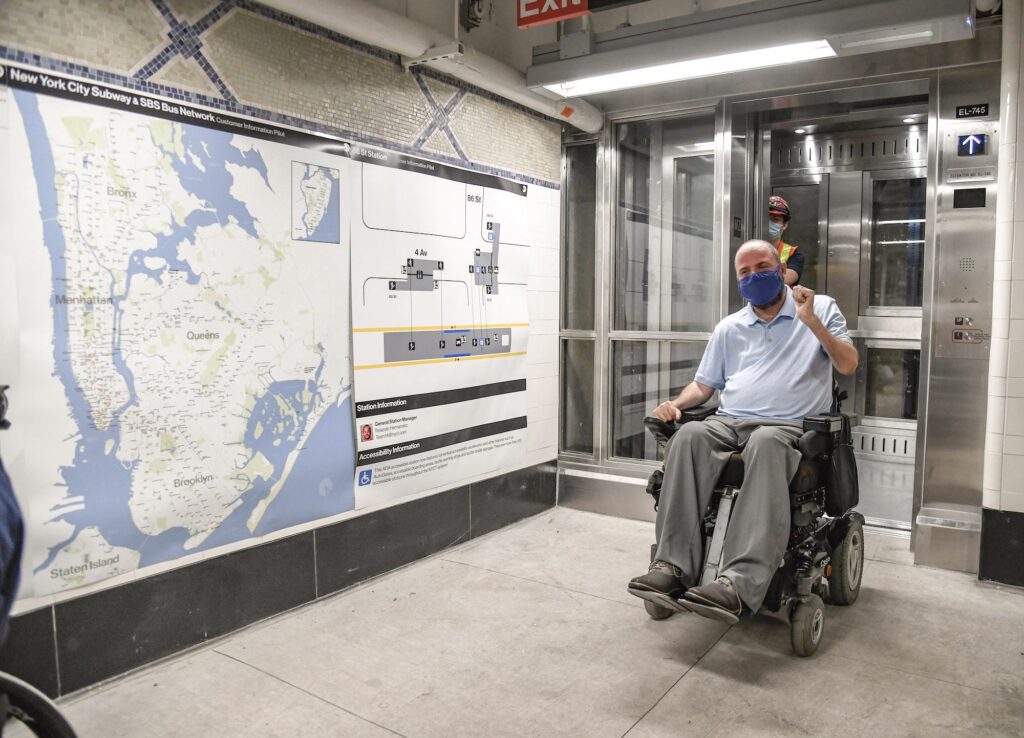
Transforming New York City Transit: Advancing Accessibility for All Commuters
Modernizing Transit Infrastructure to Accommodate Varied Mobility Requirements
New York City is actively revamping its transportation framework to better serve its multifaceted population. Recent capital projects emphasize the installation of elevators and ramps, enhanced tactile pathways for those with visual impairments, and upgraded audio-visual systems across subway stations. These improvements are complemented by urban design innovations that prioritize safety and ease of use for seniors, individuals with disabilities, and caregivers with young children.
Additionally, the city is pioneering integrated transit centers that unify different transportation modes. These centers focus on:
- Effortless transfers among buses, subways, and bike-share programs
- Specialized lanes for accessible vehicles and emergency services
- Dynamic digital displays offering accessibility-specific real-time updates
Outlined below are major infrastructure projects slated for completion by 2026:
| Project | Estimated Completion | Primary Feature |
|---|---|---|
| Elevator Network Expansion | Q4 2024 | Installation of 40 additional elevators at key stations |
| Transit Hub Modernization | Q2 2025 | Multi-modal integration with user-friendly design |
| Accessible Signage Implementation | Q1 2026 | Inclusive visual and auditory navigation aids |
Adopting Inclusive Design Principles in Transit Facilities
Central to the redesign of transit environments is a dedication to inclusivity, ensuring that every commuter experiences a welcoming and accessible journey. Contemporary transit stations now feature tactile paving for the visually impaired, barrier-free platform access, and comprehensive audio-visual announcements tailored to diverse user needs. This shift moves away from generic solutions toward a personalized, user-focused transit experience that respects the unique challenges faced by New Yorkers.
Key design strategies being implemented include:
- Universal design concepts that accommodate all ages and abilities without requiring modifications.
- Real-time multilingual digital signage to simplify navigation and reduce confusion.
- Integrated connections between transit modes to streamline travel and eliminate obstacles.
| Feature | Advantage | Current Implementation |
|---|---|---|
| Elevator Enhancements | Improved access for wheelchair users | Installed in 60% of major stations |
| Audio Announcements | Support for visually impaired riders | Available system-wide |
| Tactile Maps and Surfaces | Orientation assistance | Expanded to over 25 stations |
Improving Communication and Assistance for Riders with Disabilities
Effective communication is vital to empowering all commuters, especially those with disabilities, to navigate the transit system confidently. Recent technological upgrades include advanced audio announcements and visual displays that deliver real-time information tailored for individuals with hearing and vision challenges. Furthermore, transit personnel have undergone specialized training emphasizing patience, clarity, and empathy to better assist passengers with diverse needs. These efforts cultivate a more inclusive atmosphere where riders with disabilities receive comprehensive support throughout their travels.
Support services extend beyond technology, encompassing:
- Discreet assistance request kiosks at strategic stations for prompt help.
- Mobile applications with accessibility features offering personalized route planning and live support.
- Accessibility ambassadors stationed during peak times and service interruptions to provide direct aid.
| Service | Benefit | Availability |
|---|---|---|
| Audio Description Headsets | Enhanced travel information for visually impaired users | Accessible at all major transit hubs |
| Text-to-Speech Mobile App | Real-time trip updates in multiple languages | Citywide coverage |
| On-Site Accessibility Ambassadors | Personalized guidance and assistance | Selected stations during peak hours |
Policy Strategies to Promote Fair and Inclusive Transit Access
To guarantee that transit enhancements reach all New Yorkers equitably, policies must address disparities related to geography and socioeconomic status. This involves broadening affordable fare programs for low-income riders, increasing service frequency in underserved neighborhoods, and investing in cutting-edge accessibility technologies. Incorporating community input into planning processes ensures that resources are allocated effectively to support vulnerable populations, fostering a transit system that is both efficient and just.
Essential policy priorities include:
- Expanding all-door boarding and contactless payment systems to speed up service and improve inclusivity
- Requiring a minimum quota of accessible vehicles across all transit modes
- Establishing dedicated funding for infrastructure improvements in historically marginalized areas
- Implementing comprehensive staff training on disability awareness and equity principles
| Policy Focus | Action Items | Projected Outcomes |
|---|---|---|
| Fare Equity | Expand eligibility for reduced fares | Higher ridership among economically disadvantaged residents |
| Accessibility Enhancements | System-wide elevator and ramp upgrades | Increased independence for riders with mobility impairments |
| Service Expansion | Boost bus frequency in underserved communities | Improved access to employment and essential services |
Conclusion: Building a Transit System That Serves Every New Yorker
As New York City continues to grow and modernize its transit network, the commitment to accessibility marks a pivotal advancement for millions of daily commuters and visitors. Although obstacles remain, ongoing investments and policy reforms point toward a future where public transportation is genuinely inclusive and equitable. Creating a transit system that accommodates all users not only enhances mobility but also strengthens the social and economic fabric of the city.