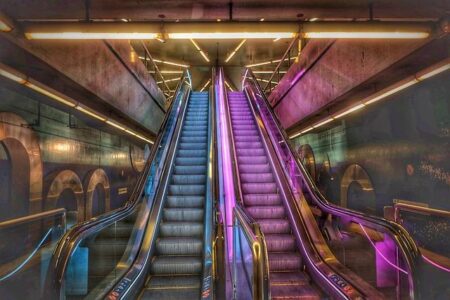
Columbia University Drives Accessibility Enhancement at 125th Street Subway Station
Columbia University’s Investment in Transit Accessibility for Harlem
In a landmark initiative to improve public transportation equity, Columbia University has pledged funding for the installation of an elevator at the 125th Street subway station. This upgrade aims to significantly ease access for thousands of daily commuters in Harlem, including individuals with disabilities, elderly passengers, and parents navigating strollers or heavy luggage. The project highlights Columbia’s dedication to fostering an inclusive environment within the community and aligns with New York City’s broader commitment to equitable transit solutions.
Scheduled to commence in early 2025, the elevator installation will be executed in partnership with the Metropolitan Transportation Authority (MTA), ensuring minimal disruption to daily transit operations. This enhancement will serve the busy 1, 2, and 3 subway lines, which are vital arteries for Harlem residents and visitors alike.
- Greater accessibility for passengers with mobility impairments
- Upgraded safety features including emergency communication systems
- Improved connectivity to Columbia’s campus and surrounding businesses
| Project Stage | Timeline | Expected Outcome |
|---|---|---|
| Design & Community Input | Q3 2024 – Q4 2024 | Incorporation of local feedback |
| Construction Phase | Q1 2025 – Q4 2025 | Enhanced station accessibility |
| Final Testing & Launch | Q1 2026 | Elevator fully operational |
Enhancing Commuter Convenience and ADA Compliance at a Vital Transit Node
The 125th Street station, a critical hub on the Metro-North and subway network, is poised for a transformative accessibility upgrade. Columbia University’s funding commitment will facilitate the installation of a modern elevator, addressing long-standing barriers faced by commuters with disabilities, seniors, and families. This collaboration exemplifies a growing trend where academic institutions and private organizations actively contribute to public infrastructure improvements that benefit the wider community.
Benefits of the elevator installation include:
- Full compliance with the Americans with Disabilities Act (ADA), ensuring equitable access
- Reduced congestion and safer vertical movement within the station
- Enhanced overall commuter satisfaction, encouraging increased public transit use
| Improvement | Impact | Completion Target |
|---|---|---|
| Elevator Installation | Universal accessibility, ADA adherence | Late 2025 |
| Updated Signage | Improved wayfinding for all riders | Mid 2024 |
| Lighting Enhancements | Increased safety and visibility | Mid 2024 |
Timeline and Anticipated Effects on Ridership and Community Mobility
The elevator project is slated to begin in January 2025, with an 18-month construction period culminating in mid-2026. Columbia University’s financial backing has expedited the planning and approval phases, enabling an earlier start than initially projected. This infrastructure upgrade is expected to accommodate the growing number of commuters as Harlem continues to flourish as a cultural and educational center.
Transportation analysts forecast a 12% rise in station entries within the first year after the elevator becomes operational. This increase is attributed to improved accessibility for seniors and disabled riders, as well as more convenient transit options for students and faculty traveling to Columbia’s nearby campus.
- Project Start: January 2025
- Completion Date: June 2026
- Projected Ridership Growth: 12%
- Primary Beneficiaries: Disabled individuals, elderly commuters, university community
| Phase | Duration | Key Activities |
|---|---|---|
| Planning & Permitting | 6 months | Final design, regulatory approvals |
| Construction | 12 months | Excavation, elevator installation, system testing |
| Commissioning | 1 month | Safety inspections, staff training, public opening |
Strategies to Advance Accessibility Throughout the NYC Subway Network
Achieving comprehensive accessibility across New York City’s subway system requires a concerted effort between public agencies and private stakeholders. Columbia University’s proactive role in funding the 125th Street elevator exemplifies how institutional partnerships can accelerate critical infrastructure upgrades that serve all riders, especially those with mobility challenges.
Beyond elevator installations, the Metropolitan Transportation Authority (MTA) should prioritize additional accessibility enhancements, including tactile walking surface indicators, audible station announcements, and clearer signage to facilitate navigation for passengers with disabilities.
Recommended accessibility improvements include:
- Real-time elevator operational status updates via mobile apps and station displays
- Installation of platform edge doors and gap fillers to minimize boarding risks
- Expanded training programs for staff on disability awareness and assistance
- Increased escalator coverage to improve access at multiple station entrances
| Accessibility Feature | Current Coverage (%) | Goal for 2030 (%) |
|---|---|---|
| Elevators | 25% | 75% |
| Tactile Indicators | 40% | 85% |
| Audible Announcements | 55% | 90% |
| Real-Time Elevator Updates | 10% | 70% |
Looking Ahead: A More Inclusive Transit Future for Harlem and NYC
Columbia University’s funding of the elevator at the 125th Street subway station represents a pivotal advancement in making New York City’s transit system more accessible and user-friendly. This partnership with the MTA not only addresses immediate mobility challenges but also sets a benchmark for future collaborations aimed at fostering inclusivity across the city’s transportation network.
As this project progresses, Harlem residents, students, and visitors can anticipate a safer, more convenient commuting experience that better accommodates diverse needs and supports the neighborhood’s ongoing growth as a dynamic urban center.