

Central Park’s Horse-Drawn Carriages: An Era Nears Its End Amidst Legislative Changes
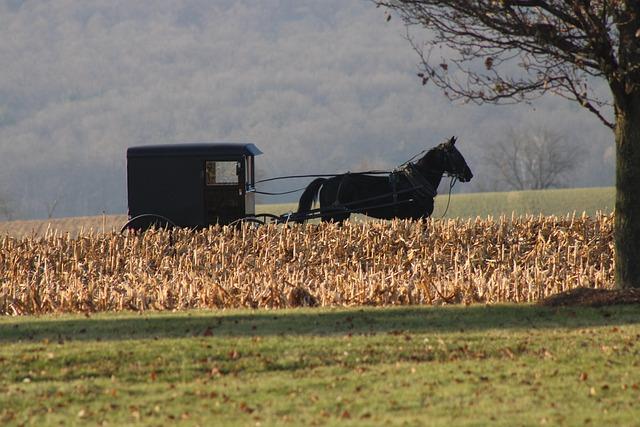
The beloved horse-drawn carriages that have been synonymous with Central Park’s allure for generations are on the brink of disappearance. With the New York City Council poised to vote on a contentious bill aimed at phasing out these carriages by the end of next year, the future of this historic industry is uncertain. This impending change has sparked intense discussions balancing animal welfare concerns, preservation of tradition, and economic consequences, signaling a transformative moment for one of the city’s most iconic attractions.
Legislative Push to Retire Horse Carriages: A Shift Toward Modern Tourism
The City Council’s anticipated approval of legislation to eliminate horse-drawn carriage rides in Central Park reflects growing awareness of animal rights and environmental sustainability. Advocates for the bill emphasize the physical toll on horses, especially during New York’s hot summers, and the need to adopt greener, more humane tourist options. Despite the carriages’ deep-rooted place in the city’s cultural identity, critics argue that the practice poses safety hazards and ethical dilemmas that can no longer be overlooked.
Primary reasons fueling the phase-out initiative include:
- Frequent incidents of horse exhaustion and injury during peak heat periods
- Heightened public consciousness regarding animal welfare standards
- Emergence of sustainable, animal-friendly transportation alternatives for visitors
- Advocacy from animal rights groups and progressive city officials championing modernization
| Category | Current Status | Expected Outcome After Legislation |
|---|---|---|
| Number of Operating Carriages | About 70 | Complete ban (0 carriages) |
| Employment Figures | Approximately 150 drivers and support personnel | Job reductions with transition assistance |
| Tourist Experience | Traditional horse-drawn rides | Introduction of electric and hybrid transport options |
Economic Ramifications for Operators and the Local Tourism Ecosystem
The proposed ban threatens the financial stability of numerous carriage operators who have relied on this trade for decades. Many owners warn of substantial income loss and limited alternative job prospects. Additionally, community stakeholders caution that the economic impact will ripple through related sectors, including equine supply stores, veterinary clinics, and maintenance services.
Tourism analysts stress that horse-drawn carriages contribute significantly to Central Park’s unique appeal, especially for visitors seeking an authentic New York experience. A recent poll of tourists revealed notable concerns:
- Preservation of cultural identity: 72% view the carriages as emblematic of the city’s heritage.
- Potential decline in tourism revenue: 58% fear fewer carriage rides could reduce overall visitor spending.
- Visitor satisfaction: 65% believe alternative transport lacks the nostalgic charm of horse-drawn rides.
| Group Affected | Anticipated Impact | Possible Solutions |
|---|---|---|
| Carriage Operators | Loss of income and displacement | Retraining programs and financial aid |
| Local Businesses | Reduced customer flow and sales | Marketing initiatives and business diversification |
| Tourism Industry | Loss of distinctive NYC attractions | Development of heritage tours and new experiences |
Advocates for Animal Rights Call for Swift Adoption of Humane Tourism Alternatives
Animal welfare organizations are urging the City Council to expedite the transition away from horse-drawn carriages, emphasizing the ethical imperative to protect the horses from harsh weather conditions and urban pollution. They propose replacing carriages with electric-powered vehicles and immersive, horse-free cultural activities that maintain Central Park’s allure without compromising animal wellbeing.
Supporters of these alternatives highlight several advantages:
- Improved animal welfare: Eliminates risks of injury and stress associated with carriage work.
- Environmental benefits: Reduces emissions and alleviates congestion in busy park areas.
- Enhanced visitor engagement: Offers innovative experiences such as augmented reality tours and eco-friendly pedicabs.
| Alternative Transport | Impact on Animals | Appeal to Tourists |
|---|---|---|
| Electric Shuttles | None | High |
| Pedicab Services | None | Moderate |
| Augmented Reality Tours | None | Innovative and engaging |
Calls for Comprehensive Support Programs for Displaced Carriage Drivers
As the phase-out looms, there is growing pressure on the City Council to implement fair compensation and retraining initiatives for affected carriage drivers. Advocates stress that these workers, many of whom have dedicated years to the profession, deserve financial recognition and assistance to transition into new careers.
Proposed components of support programs include:
- Vocational training aligned with current job market needs
- Personalized career counseling and job placement services
- Workshops on financial literacy and planning
- Access to mental health resources and community support networks
| Program Element | Description | Duration |
|---|---|---|
| Vocational Training | Skill development for emerging industries | 3 to 6 months |
| Career Counseling | Tailored job search assistance | Ongoing |
| Financial Literacy Workshops | Budgeting and investment basics | 2 weeks |
| Community Support | Mental health counseling and peer groups | As needed |
Looking Ahead: The Future of Central Park’s Iconic Tradition
As the City Council’s decisive vote approaches, the fate of Central Park’s horse-drawn carriage industry remains uncertain. This cherished symbol of New York’s heritage may soon become a relic of the past, ushering in a new chapter of tourism that prioritizes ethical treatment of animals and environmental responsibility. Whether this transition will enrich the city’s cultural landscape or leave a nostalgic void is yet to be determined. The coming weeks will be critical in shaping how New Yorkers honor and evolve this historic tradition.