


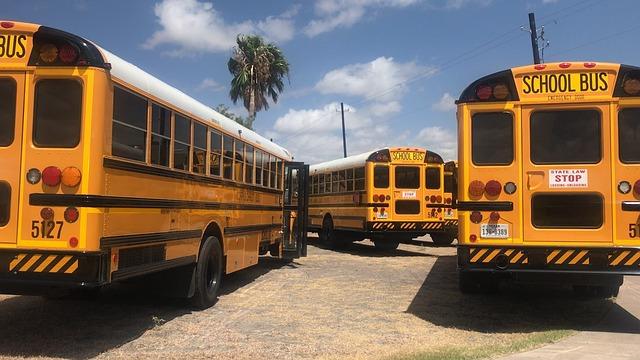
In an era where school choice and educational quality are at the forefront of community concerns, parents and stakeholders are increasingly seeking reliable ways to assess public schools. But how does one cut through the noise and uncover the realities behind school ratings, test scores, and promotional materials? Drawing from investigative techniques akin to those used by seasoned reporters, this guide explores how to critically evaluate a public school’s environment, performance, and accountability. By adopting a journalist’s rigorous approach, readers can make more informed decisions and hold educational institutions to higher standards.
Understanding School Performance Metrics Beyond Test Scores
When evaluating a public school, it’s essential to delve deeper than standardized test scores to gain a complete picture of its effectiveness. Holistic school performance includes factors such as student engagement, teacher qualifications, and extracurricular opportunities. Parents and community members should consider attendance rates, disciplinary incidents, and the availability of advanced placement or special education programs. These components reveal the school’s environment and commitment to diverse student needs.
Moreover, a closer inspection of the school’s support systems and community involvement offers critical insight. Key indicators include:
- Student-to-teacher ratio: Smaller class sizes often mean more personalized instruction.
- Parental involvement: Participation in school boards or parent-teacher organizations reflects community engagement.
- Post-graduation outcomes: Data on college matriculation rates and career readiness initiatives highlight the school’s role in long-term success.
| Metric | What to Look For | Why It Matters |
|---|---|---|
| Attendance Rate | Above 95% | Consistent attendance correlates with academic success |
| Teacher Turnover | Less than 10% annually | Stability contributes to a strong teaching environment |
| Extracurricular Participation | 50% or more students engaged | Encourages social development and school pride |
Interviewing Teachers and Administrators for In-Depth Perspectives
Engaging directly with teachers and administrators reveals layers of insight that statistics alone cannot capture. During interviews, focus on asking open-ended questions to uncover their perspectives on curriculum strengths, student support systems, and challenges faced daily. Pay attention to how candidly they discuss issues such as class size, resource allocation, and disciplinary policies-these answers often highlight the true educational environment beyond polished reports.
When preparing your questions, consider covering these key areas:
- Teaching philosophy and student engagement strategies
- School culture and community involvement
- Administrative support and leadership style
- Approaches to special education and inclusivity
| Key Role | Recommended Question |
|---|---|
| Teacher | How do you adapt your teaching to meet diverse learning needs? |
| Administrator | What initiatives are in place to improve student achievement? |
Analyzing School Safety and Student Support Systems
Safety protocols and student support systems form the backbone of a well-functioning public school environment. When examining these elements, it’s crucial to look beyond surface numbers and dive into qualitative measures that affect daily life. Engage with a variety of sources-from school safety audits to direct conversations with faculty and students-to get a thorough understanding. Pay close attention to the following indicators:
- Incident Reporting Transparency: Are disciplinary actions and safety incidents documented and accessible? Schools that hide or obscure data may be less safe than they appear.
- Support Services Availability: Mental health counselors, peer mentoring, and anti-bullying programs offer critical support; their staffing and usage rates reveal how seriously a school takes student wellbeing.
- Emergency Preparedness: Evaluate the school’s readiness for unforeseen events through drills, clear communication strategies, and infrastructure-for example, secure entry points and surveillance systems.
Combining data with human stories offers the sharpest insights. For instance, consider how students describe their daily sense of security and emotional safety. Below is a sample comparison of student-to-counselor ratios-a common metric for support availability-that often reflects a school’s capacity to address student issues effectively.
| School | Student-to-Counselor Ratio | Average Monthly Counseling Sessions |
|---|---|---|
| Lincoln High | 350:1 | 120 |
| Maplewood School | 450:1 | 95 |
| Riverside Academy | 300:1 | 140 |
Decoding Parent and Community Engagement Indicators
Understanding how a school interacts with parents and the broader community can reveal much about its environment and priorities. Indicators such as the frequency of parent-teacher meetings, availability of communication channels, and the responsiveness to parental concerns serve as critical markers. Schools that foster strong partnerships often demonstrate improved student outcomes and higher satisfaction levels among families. Look out for transparent communication platforms, active parent councils, and community events that encourage collaboration beyond the classroom walls.
Evaluating these factors involves more than checking boxes-it requires a discerning look at the quality and consistency of engagement. Consider the following:
- Communication Regularity: Are newsletters, emails, or apps used to keep parents updated?
- Community Participation: Does the school host events that invite families and neighbors?
- Support Services: Are there resources to help families navigate educational challenges?
| Engagement Indicator | What to Look For | Why It Matters |
|---|---|---|
| Parent-Teacher Communication | Regular meetings & updates | Builds trust, monitors student progress |
| Community Events | Open houses, cultural nights | Strengthens bonds, promotes inclusivity |
| Parental Feedback Mechanisms | Surveys, suggestion boxes | Encourages active participation |
Concluding Remarks
In an era when education shapes the future, understanding how to critically evaluate public schools is more essential than ever. By adopting the investigative mindset of a reporter-questioning sources, analyzing data, and seeking multiple perspectives-parents and community members can make informed decisions and hold schools accountable. As this event demonstrated, transparency and vigilance are key to ensuring that public schools meet the high standards students deserve. Staying engaged and well-informed is not just beneficial; it’s necessary for fostering an educational environment where every child can thrive.