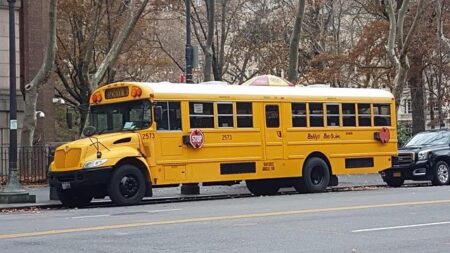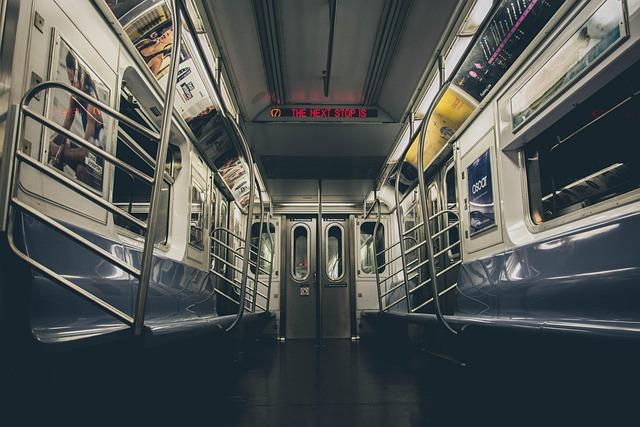
As New York City’s transit system faces mounting challenges-from aging infrastructure and rising costs to service disruptions and equity concerns-a new wave of activism and policy advocacy is emerging to reclaim the rights and welfare of its riders. This op-ed explores the revitalized efforts by community groups, labor unions, and city officials to address critical issues affecting millions of daily commuters, underscoring a renewed fight to ensure that public transit in the nation’s largest metropolis is accessible, reliable, and fair for all.
Challenges Facing New York City’s Transit System in the Post-Pandemic Era
New York City’s transit system, long regarded as the artery of the metropolis, now grapples with unprecedented challenges exacerbated by the pandemic’s fallout. Ridership numbers have yet to rebound to pre-COVID levels, forcing the Metropolitan Transportation Authority (MTA) to confront steep revenue shortfalls. Coupled with deferred maintenance and aging infrastructure, these financial constraints threaten service frequency and reliability, undermining the confidence of commuters who rely on the subway and bus networks daily. Moreover, the rise in fare evasion and safety concerns has added layers of complexity to maintaining a secure and efficient transit environment.
Compounding the operational hurdles are the evolving commuting patterns shaped by flexible work arrangements and demographic shifts. The traditional rush-hour demand has flattened, pushing transit planners to rethink scheduling and resource allocation. To navigate these challenges, stakeholders are exploring innovations such as enhanced digital fare collection, targeted patrols to address security issues, and infrastructure investments prioritizing accessibility and resilience. Below is a snapshot of key challenges faced by the system:
- Revenue gaps due to lower ridership and fare evasion
- Degraded infrastructure needing urgent repairs
- Security concerns impacting rider safety and perception
- Changing commuter behavior requiring flexible service models
- Environmental and accessibility targets demanding system upgrades
| Challenge | Impact | Proposed Solution |
|---|---|---|
| Revenue Shortfall | Reduced service quality | Dynamic pricing and improved fare enforcement |
| Infrastructure Decay | Frequent delays and breakdowns | Targeted capital investment |
| Safety Issues | Ridership decline | Increase in transit police presence |
| Shifted Commute Patterns | Under-utilized peak services | Flexible scheduling and service adjustments |
The Impact of Service Cuts on Daily Commuters and Local Economies
Reduced transit services have had profound consequences on both daily commuters and the economic vitality of neighborhoods across New York City. Thousands of workers face extended travel times and overcrowded vehicles, forcing many to compromise on punctuality and job opportunities. This strain disproportionately affects lower-income populations, who rely heavily on public transit as their primary mode of transportation. As a result, the city’s workforce becomes less efficient, and the frustration among riders continues to escalate.
Local businesses, which depend on a steady flow of customers and employees, are also feeling the pinch. Many small enterprises have reported declines in foot traffic and revenue, correlating directly with the cutbacks in transit frequency and route availability. Key impacts include:
- Reduced access to commercial districts, limiting customers’ ability to shop locally.
- Challenges for employees in reaching workplaces on time, influencing retention and productivity.
- Declining economic activity, especially in neighborhoods reliant on public transit hubs.
| Impact Area | Effect on Commuters | Effect on Local Economy |
|---|---|---|
| Service Frequency | Longer wait times; overcrowding | Fewer customers; lost sales |
| Route Reduction | Limited access; extended commutes | Business revenue decline; job losses |
| Fare Increases | Financial strain; ridership drop | Decreased spending power |
Strategies for Restoring Trust and Increasing Ridership Among Transit Users
Rebuilding confidence in New York City’s transit system demands a multi-faceted approach, emphasizing transparency, reliability, and community engagement. To start, agencies must implement real-time updates across all platforms, ensuring riders are promptly informed of delays and service changes. Equally important is addressing safety concerns by increasing visibility of law enforcement officers and installing enhanced lighting throughout stations and vehicles. Partnerships with local organizations can foster open dialogues, giving riders a platform to voice their concerns and suggestions, bridging the gap between the transit authority and the community it serves.
Financial accessibility also plays a pivotal role in attracting and retaining riders. Introducing tiered fare options, discount programs, and seamless contactless payment systems can substantially lower barriers to entry. Below is a snapshot of potential strategies and their projected impact on ridership over the next year:
| Strategy | Expected Ridership Increase | Implementation Timeline |
|---|---|---|
| Real-time Service Alerts | 8% | 3 months |
| Enhanced Security Presence | 12% | 6 months |
| Discount Fare Programs | 15% | 4 months |
| Contactless Payment Integration | 10% | 5 months |
Policy Recommendations for Sustainable Funding and Infrastructure Investment
To secure the future of New York City’s transit system, it is imperative to establish a reliable and diversified funding model that goes beyond traditional fare revenues and short-term federal grants. This includes expanding dedicated transit taxes, such as congestion pricing and mobility fees targeted at high-traffic commercial zones, which can generate consistent income without overly burdening riders. Additionally, public-private partnerships should be leveraged to accelerate infrastructure modernization, allowing private capital to share risks and rewards in key projects, while ensuring accountability to public interests.
Investment priorities must focus on equitable expansion and modernization, with particular attention to underserved communities historically neglected by transit development. Initiatives should include:
- Upgrading aging subway signaling systems to improve service reliability and capacity.
- Expanding bus rapid transit corridors to reduce commute times and pollution.
- Enhancing accessibility features on all major transit lines.
To illustrate budgeting priorities, consider the following simplified breakdown of proposed annual infrastructure funding:
| Category | Allocated Funds (in $ millions) | Focus Area |
|---|---|---|
| Signal Modernization | 500 | Subway network upgrades |
| Bus Rapid Transit | 300 | New corridors, fleet modernization |
| Accessibility Improvements | 200 | Elevators, ramps, ADA compliance |
| Maintenance & Safety | 400 | Ongoing upkeep and hazard mitigation |
Final Thoughts
As New York City’s transit system faces ongoing challenges, the renewed advocacy for its riders signals a critical turning point. Stakeholders from communities, labor groups, and policymakers must now work collaboratively to ensure that public transportation not only recovers but emerges stronger and more equitable. The outcome of this fight will shape the daily lives of millions, underscoring the essential role transit plays in the city’s economy, environment, and social fabric. The renewed momentum offers a cautiously hopeful path forward-one that demands sustained attention and decisive action in the months and years ahead.