


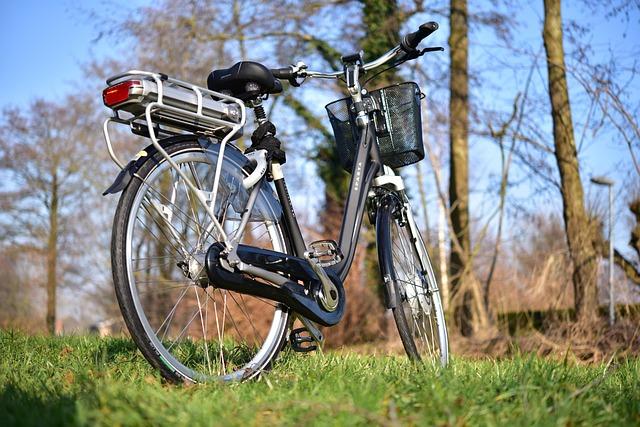
Rising Threat of E-Bike Battery Fires in NYCHA Communities
New York City Housing Authority (NYCHA) residents and officials are confronting a growing crisis as fires linked to e-bike lithium-ion batteries surge within public housing complexes. These fires, often triggered by defective or improperly charged batteries, have rapidly escalated, causing severe damage and multiple fatalities. The dense living conditions and improper storage of e-bikes exacerbate the spread of these blazes, overwhelming emergency responders and leaving communities devastated.
Several challenges hinder efforts to control this hazard, including:
- Absence of designated and secure e-bike charging facilities in NYCHA buildings
- Limited resident knowledge regarding safe battery handling and charging practices
- Outdated fire safety systems and infrastructure in aging residential buildings
- Noncompliance with building regulations concerning e-bike storage and charging
| Month | Number of Reported Fires | Fatalities |
|---|---|---|
| January 2024 | 5 | 1 |
| February 2024 | 8 | 2 |
| March 2024 | 10 | 3 |
NYCHA leadership faces mounting pressure to introduce stringent safety protocols, including the establishment of secure charging stations and comprehensive educational outreach. Fire departments continue to emphasize the critical dangers posed by mishandled lithium-ion batteries, urging residents to adopt safer practices to prevent further tragedies.
Unpacking the Root Causes and Impact of E-Bike Battery Fires
Investigations into the surge of e-bike battery fires within NYCHA properties reveal a complex interplay of factors. A significant contributor is the prevalence of substandard lithium-ion batteries, often procured from unverified sources lacking essential safety certifications. These batteries are susceptible to overheating and short circuits, especially when subjected to excessive charging or stored improperly.
Compounding the issue, many NYCHA buildings suffer from outdated electrical systems incapable of safely supporting the increased load from multiple e-bike chargers. Residents frequently resort to charging batteries in confined spaces or near combustible materials due to the lack of designated areas, heightening fire risks.
- Use of uncertified or counterfeit batteries prone to failure
- Overcharging and physical damage leading to thermal runaway
- Electrical system overloads in aging infrastructure
- Insufficient fire prevention measures tailored to e-bike hazards
The repercussions extend beyond structural damage and loss of life. Survivors often endure lasting health complications from smoke inhalation and burns. The financial burden on NYCHA escalates due to emergency evacuations and rebuilding costs, while community trust erodes amid fears surrounding e-bike safety.
| Cause | Resulting Effect |
|---|---|
| Battery Malfunction | Fire Outbreaks and Explosions |
| Electrical Circuit Overload | Power Failures and Fire Hazards |
| Insufficient Safety Knowledge | Unsafe Charging and Storage Practices |
| Inadequate Building Infrastructure | Elevated Fire Risk |
Voices from NYCHA: Resident Experiences and Calls for Enhanced Safety
Residents across multiple NYCHA developments have expressed deep concern over the recent spate of e-bike battery fires. Many recount harrowing experiences of rapid fire spread, thick smoke, and chaotic evacuations, often hindered by limited emergency exits. The unpredictable nature of lithium-ion battery fires, which can reignite after seeming extinguished, adds to the anxiety.
One tenant shared, “Every time I walk past the clusters of e-bikes stored in the hallways, I worry about what could happen. It’s not just about property-it’s about our lives.”
Community members have also criticized inconsistent emergency response communication and insufficient training for building staff in managing battery-related fires. To enhance safety, residents advocate for:
- Creation of secure, dedicated e-bike charging zones away from living spaces and corridors
- Installation of specialized smoke detectors capable of identifying battery fires early
- Ongoing fire safety education programs focused on lithium-ion battery risks
- Improved emergency protocols with equipment tailored for lithium-ion fire suppression
| Incident Date | Location | Emergency Response Time (minutes) | Fire Severity |
|---|---|---|---|
| April 3, 2024 | Brownsville | 9 | Severe |
| May 12, 2024 | East New York | 12 | Moderate |
| June 5, 2024 | South Bronx | 7 | Critical |
Calls for Robust Regulations and Proactive Fire Prevention Strategies
In response to the escalating dangers posed by e-bike battery fires, fire safety authorities and urban development experts advocate for comprehensive regulatory reforms. Current safety standards fall short in addressing the unique hazards of lithium-ion batteries powering e-bikes, especially in densely populated public housing.
Key proposals include mandatory certification of all e-bike batteries to ensure compliance with safety benchmarks, alongside enforced installation of secure charging infrastructure within residential complexes like NYCHA.
Fire prevention specialists recommend the following measures to mitigate risks effectively:
- Deployment of advanced smoke detection systems equipped with thermal sensors in bike storage and charging areas
- Implementation of ventilation solutions designed to rapidly disperse toxic gases emitted during battery fires
- Community outreach programs educating residents on proper battery care and early warning signs of malfunction
- Regular inspections and maintenance protocols enforced by housing authorities and fire departments
| Proposed Measure | Anticipated Outcome | Projected Timeline |
|---|---|---|
| Battery Safety Certification | Improved battery reliability and reduced defect rates | Within 6 months |
| Installation of Specialized Smoke Detectors | Faster detection and response to fires | Within 1 year |
| Mandatory Resident Training Sessions | Heightened awareness and safer charging habits | Ongoing |
Final Thoughts: Balancing E-Bike Benefits with Community Safety
As investigations continue into the troubling rise of e-bike battery fires in NYCHA housing, the urgency to implement effective safety measures intensifies. With lives lost and communities shaken, the imperative to establish rigorous regulations, improve infrastructure, and educate residents is clear. Stakeholders must navigate the challenge of promoting sustainable electric mobility while safeguarding vulnerable populations from these hazardous incidents. The forthcoming months will be critical in shaping policies that protect residents and ensure the safe integration of e-bikes into New York City’s public housing landscape.