Ensuring a Fair Transition for New York City’s Horse Carriage Workers Amid Industry Phase-Out
New York’s Horse Carriage Industry: Cultural Legacy and Declining Presence
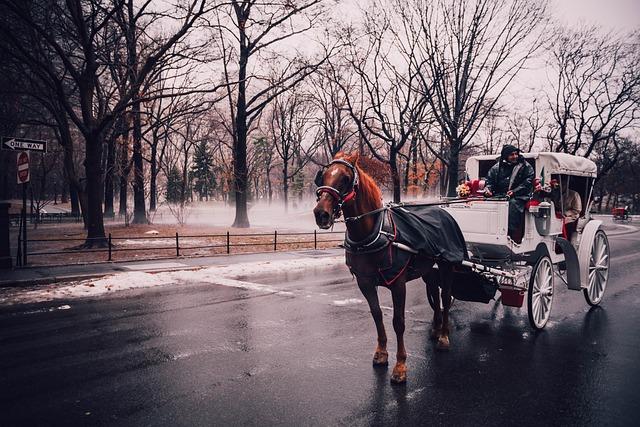
Once emblematic of New York City’s charm and a staple attraction for tourists, horse-drawn carriages have experienced a significant downturn in recent years. Heightened awareness of animal rights, stricter regulations, and evolving public attitudes have contributed to a sharp reduction in carriage operations, particularly around Central Park and adjacent neighborhoods. This decline not only signals a shift toward more ethical urban practices but also threatens the economic stability of the carriage drivers and stable workers who have long depended on this trade.
Implications of this transition include:
- The gradual disappearance of a historic vocation that has been part of the city’s identity for over 100 years
- Job displacement for workers possessing specialized expertise and strong community connections
- The challenge of reconciling cultural preservation with advancing animal welfare standards
- Intensified public discourse on harmonizing tourism, ethical treatment of animals, and labor rights
| Year | Active Carriages | Employed Coachmen |
|---|---|---|
| 2000 | 210 | 450 |
| 2010 | 160 | 370 |
| 2023 | 75 | 150 |
With the carriage count dwindling by nearly two-thirds over two decades, it is imperative for municipal authorities to implement proactive strategies that support affected workers through retraining and economic assistance. Such measures are essential to uphold New York’s rich cultural mosaic while embracing humane urban development.
Mitigating Economic Hardships for Displaced Carriage Workers
The imminent cessation of horse-drawn carriage operations in New York City presents a profound economic challenge for hundreds of workers whose livelihoods hinge on this industry. As the city phases out this traditional mode of transport, it becomes critical to establish comprehensive support frameworks that alleviate the financial and emotional strain on these individuals. Many carriage drivers and stable hands face limited alternative employment options, underscoring the urgency for targeted retraining and financial relief programs.
Recommended immediate interventions include:
- Employment transition programs: Focused on equipping workers with skills transferable to sectors such as hospitality, tourism, and urban services.
- Short-term financial support: Providing stipends or emergency funds to cover essential living costs during job transitions.
- Psychological and career counseling: Addressing the mental health impacts of sudden unemployment and guiding workers toward new career paths.
| Support Initiative | Beneficiaries | Duration |
|---|---|---|
| Skills Development | Carriage Operators and Handlers | 3 to 6 months |
| Financial Relief | Workers and Their Families | Up to 12 months |
| Counseling Services | All Affected Personnel | Ongoing |
City Hall’s Role in Facilitating Workforce Reintegration
Following the decision to discontinue horse-drawn carriage operations, New York City’s government bears the responsibility of orchestrating a smooth transition for displaced workers. This involves not only immediate financial aid but also the development of retraining initiatives that leverage the workers’ existing competencies. Collaborations with vocational institutions and local enterprises are vital to open pathways into alternative employment sectors, particularly those related to tourism, animal care, and customer engagement.
Priority actions for municipal authorities include:
- Implementing comprehensive retraining and certification programs tailored to emerging job markets
- Providing financial packages to ease short-term economic pressures
- Forging partnerships with hospitality and tourism businesses to facilitate job placements
- Launching community-based mental health and social support initiatives
| Support Category | Proposed Measures | Anticipated Benefits |
|---|---|---|
| Retraining | Workshops and certification courses | Improved employability in diverse sectors |
| Financial Assistance | Monthly stipends during transition | Alleviated financial stress for families |
| Job Placement | Collaboration with local employers | Efficient workforce reintegration |
Strategic Policy Proposals for an Equitable Industry Transition
To ensure fairness and sustainability, City Hall must adopt a holistic approach that goes beyond mere compensation for displaced carriage workers. This includes establishing robust retraining programs that capitalize on workers’ transferable skills, enabling them to thrive in New York’s evolving job market. Additionally, creating a dedicated support fund to assist with healthcare, housing, and unemployment benefits will provide a vital safety net during this period of upheaval.
Engaging community stakeholders in transparent planning processes is essential to foster trust and provide workers with clear timelines and meaningful input. Key policy recommendations encompass:
- Investment in vocational education: Tailored programs emphasizing skills in animal welfare, tourism, and customer relations
- Promotion of economic diversification: Encouraging growth in environmentally sustainable sectors within the city
- Provision of psychosocial support: Access to counseling and mental health resources to aid workers’ adjustment
| Policy Component | Objective | Projected Outcome |
|---|---|---|
| Retraining Initiatives | Develop skills aligned with future job markets | Enhanced job security and income stability |
| Financial Support Fund | Offset income loss during transition | Reduced financial hardship |
| Community Involvement | Inclusive decision-making and feedback | Greater policy acceptance and smoother implementation |
Looking Ahead: Balancing Ethics and Economic Realities
As New York City moves forward with plans to eliminate horse-drawn carriages, it is vital to recognize that animal welfare concerns must be balanced with the economic well-being of carriage drivers and their families. The city’s leadership faces the complex challenge of crafting policies that uphold ethical standards while providing displaced workers with meaningful support and new opportunities. The forthcoming decisions will not only determine the future of this iconic tradition but also reflect New York’s dedication to equitable and compassionate governance for all its residents.