Labor Unions and Mamdani Team Collaborate on Protest Buffer Zone Legislation
Labor unions have recently initiated constructive discussions with the Mamdani team concerning the newly introduced Protest Buffer Zone legislation. Union representatives expressed strong reservations about how the bill might limit workers’ constitutional rights to assemble peacefully and express their views. They argued that imposing mandatory buffer zones around protest locations could weaken the effectiveness of demonstrations, which are vital instruments for labor advocacy and democratic participation.
- Primary concern: Possible constraints on organized protest activities
- Union viewpoint: Legislation risks diminishing collective bargaining influence
- Discussion goal: Revising the bill to safeguard protestor freedoms
Officials from the Mamdani team acknowledged these concerns and pledged to reassess the bill’s clauses. Both parties agreed to pursue solutions that uphold public safety while respecting the constitutional right to protest. This dialogue exemplifies the importance of inclusive policymaking in shaping labor laws that honor civil liberties.
Union Concerns Over Buffer Zone Bill Clarified
Unions have voiced significant worries about the bill’s potential to infringe upon workers’ rights to peaceful protest within designated buffer zones. They contend that the proposed restrictions could severely hamper their ability to campaign for labor rights and social justice, effectively muting essential voices during a period when public demonstrations are crucial for democratic engagement. Furthermore, unions criticized the bill for lacking precise definitions regarding the size and enforcement of buffer zones, cautioning that ambiguous language might lead to arbitrary suppression of lawful protests.
Highlighted concerns include:
- Threats to freedom of expression and peaceful assembly
- Unclear legislative language risking inconsistent application
- Potential disproportionate impact on marginalized communities and labor activists
- Insufficient stakeholder involvement during the drafting process
| Issue | Union Perspective | Mamdani Team Response |
|---|---|---|
| Right to Assemble | Severely limited, undermining protest rights | Buffer zones designed to ensure safety, not suppress dissent |
| Legislative Precision | Vague wording invites misuse | Commitment to develop detailed guidelines |
| Stakeholder Consultation | Inadequate engagement | Ongoing dialogue promised |
Examining the Effects of Buffer Zones on Public Protests
Engagements with the Mamdani team have shed light on the profound implications buffer zones could have on the dynamics of public demonstrations. Labor unions warn that these zones, if placed too close to protest sites, might diminish the visibility and impact of activism, thereby reducing public awareness and engagement. They emphasize that such restrictions could unintentionally stifle essential democratic expression.
Experts and union leaders have identified several potential consequences, including:
- Movement limitations: Restricting protesters’ access to strategic public spaces where their messages resonate most.
- Heightened tensions: Physical barriers may exacerbate conflicts between demonstrators and opposing groups.
- Enforcement challenges: Ambiguous rules could lead to uneven policing and unjust penalties.
| Factor | Possible Consequence |
|---|---|
| Access to Public Areas | Severely restricted within buffer zones |
| Freedom of Speech | Potentially diminished due to spatial constraints |
| Law Enforcement Discretion | Increased with risk of subjective interpretation |
| Public Visibility | Likely reduction in protest prominence |
Strategies for Harmonizing Security and Protest Rights
To ensure a balanced approach between maintaining public order and protecting the right to peaceful protest, legislation on buffer zones must incorporate clear communication protocols between authorities and protest organizers. This facilitates coordinated events that minimize disruptions and security risks. Additionally, establishing transparent criteria for the size and placement of buffer zones is essential to prevent arbitrary or excessive restrictions.
- Limit buffer zones to high-risk locations rather than imposing broad prohibitions around all protest gatherings.
- Utilize discreet, real-time monitoring technologies to promptly address security concerns without hindering protester movement.
- Engage diverse stakeholders including unions, civil rights groups, and community members in the policymaking process.
| Consideration | Objective | Effect |
|---|---|---|
| Buffer Zone Dimensions | Minimize interference | Overly large zones restrict movement |
| Stakeholder Participation | Safeguard rights | Enhances trust and legitimacy |
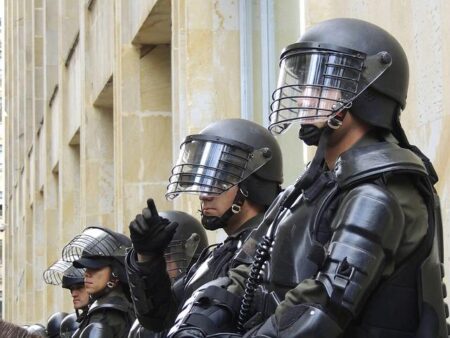
| Security Deployment | Ensure safety | Excessive presence may intimidate |
Legislators must recognize that security protocols should never eclipse democratic freedoms. By customizing regulations to the unique context of each protest and fostering continuous collaboration between unions and law enforcement, the risk of conflict can be minimized while preserving the vital right to public dissent. This balanced approach is crucial for maintaining social harmony without silencing important societal debates.
Concluding Remarks on Buffer Zone Bill Discussions
As negotiations between union leaders and the Mamdani team draw to a close, public focus shifts to the future trajectory of the proposed buffer zone legislation amid intensifying debate. All parties remain watchful, understanding that the final outcome will have significant ramifications for protest rights and public safety frameworks. Further developments are anticipated as lawmakers deliberate on the concerns raised during these pivotal consultations.