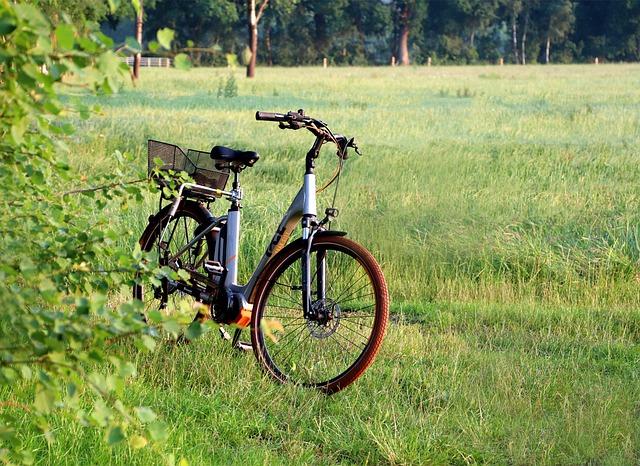
Empowering Low-Vision Cyclists: The Transformative Impact of E-Bikes on Mobility and Independence
How E-Bikes Revolutionize Travel for Cyclists with Visual Impairments
Navigating the world on a traditional bicycle can be daunting for individuals with low vision, often limiting their ability to travel freely and independently. Electric bicycles (e-bikes) have emerged as a game-changer, providing essential support that enhances both confidence and capability. By offering motorized assistance, e-bikes reduce the physical demands of cycling, allowing riders with visual challenges to tackle longer distances and more complex routes with greater ease. This technology not only alleviates fatigue but also improves balance and control, making cycling a safer and more enjoyable experience.
The benefits extend beyond physical assistance; e-bikes foster a profound sense of self-reliance. For many low-vision cyclists, this means reclaiming the ability to engage spontaneously in social activities, run errands, or simply enjoy the outdoors without depending on others. Key advantages include:
- Improved endurance: Electric support enables longer journeys without excessive tiredness.
- Controlled acceleration: Smooth power delivery helps anticipate and respond to obstacles effectively.
- Greater autonomy: Reduced reliance on caregivers or public transport enhances personal freedom.
As discussions around e-bike regulations intensify, it is imperative that lawmakers recognize the critical role these devices play in empowering vulnerable populations. Curtailing access could inadvertently strip away a vital lifeline for many.
Balancing Safety and Accessibility: Inclusive Solutions for E-Bike Use
While safety concerns surrounding e-bikes in shared urban spaces are legitimate, imposing broad restrictions risks marginalizing low-vision riders. Instead, communities and policymakers should adopt inclusive safety strategies that protect all users without compromising accessibility. Enhancements such as tactile ground surfaces, audible crossing signals, and mandatory reflective gear can significantly improve navigation and visibility for visually impaired cyclists.
Education plays a pivotal role in fostering a safer environment. Awareness campaigns and training programs aimed at both cyclists and motorists can cultivate mutual respect and understanding, reducing accidents without resorting to bans. The following collaborative framework highlights how different stakeholders can contribute:
| Stakeholder | Initiative | Impact |
|---|---|---|
| Municipal Authorities | Install tactile paving and widen bike lanes | Enhances route clarity and lowers collision risks |
| Cycling Organizations | Host safety workshops and distribute high-visibility gear | Boosts rider confidence and visibility |
| Local Communities | Promote campaigns encouraging respectful road sharing | Creates a more inclusive and safer cycling culture |
- Adaptive navigation aids: Incorporating audio alerts and tactile maps.
- Visibility enhancements: Use of bright apparel and lighting systems.
- Comprehensive education: Road safety programs for all users.
Urban Design: Crafting Cities That Support Visually Impaired Cyclists
Urban planners have a crucial responsibility to create environments where cycling is accessible and safe for everyone, particularly those with visual impairments. Thoughtful city design can transform e-bikes from mere conveniences into essential tools for independence. This involves integrating features such as tactile paving to signal safe pathways, consistent and legible signage, and well-maintained bike lanes that coexist harmoniously with pedestrian zones.
As e-bike usage surges-recent studies indicate a 35% increase in urban e-bike adoption over the past two years-cities must evolve to meet the diverse needs of riders. Inclusive infrastructure not only supports low-vision cyclists but also promotes healthier communities and alleviates traffic congestion. Key urban planning elements include:
- Enhanced lighting systems: To improve visibility during dawn, dusk, and inclement weather.
- Smart intersection signals: Combining auditory and visual cues for safer crossings.
- Integrated transit routes: Connecting residential, commercial, and public transport hubs seamlessly.
- Secure e-bike parking: Designated, well-lit areas to encourage usage and prevent theft.
| Urban Feature | Benefit for Low-Vision Cyclists |
|---|---|
| Tactile Paving | Enables detection of safe routes and hazards |
| Audible Traffic Signals | Provides guidance at crossings and alerts to dangers |
| Clear Lane Markings | Assists with orientation and route navigation |
Policy Strategies to Safeguard and Expand E-Bike Accessibility
To ensure that e-bikes remain a viable and empowering option for low-vision cyclists, policymakers must adopt inclusive, forward-thinking measures. Investments should focus on expanding accessible charging stations and offering financial assistance programs to make e-bikes more affordable for individuals with visual impairments. Additionally, specialized training initiatives can equip riders with essential skills while raising public awareness about the unique challenges faced by visually impaired cyclists.
Key policy recommendations include:
- Enforce accessible design standards: Require tactile and auditory features on e-bike controls to aid navigation.
- Increase funding for adaptive technologies: Support development of navigation aids and obstacle detection systems.
- Promote inclusive transit policies: Facilitate e-bike transport on buses and trains with accessible loading options.
- Launch community education campaigns: Foster safe and respectful interactions between all road users.
| Policy Initiative | Expected Benefit | Implementation Timeline |
|---|---|---|
| Accessible Design Regulations | Improved usability for visually impaired riders | 6-12 months |
| E-Bike Subsidy Programs | Greater affordability and access | 1-2 years |
| Inclusive Public Transit Policies | Facilitates seamless multimodal travel | 1 year |
Conclusion: Upholding the Right to E-Bike Freedom for Low-Vision Riders
In today’s evolving landscape of inclusive transportation, e-bikes stand out as a vital resource for individuals with low vision, offering both independence and enhanced safety. Restricting access to these devices would not only diminish mobility but also erode the autonomy that many have fought hard to achieve. As urban centers and policymakers continue to shape the future of transit, it is essential to prioritize the needs and voices of visually impaired cyclists, ensuring that e-bike freedom remains protected and celebrated.